We take care of
your health

Lorem ipsum dolor sit amet, consectetur adipiscing elit. 

family dentistry Lewisville

Is a Family Dentist More Cost-Effective Than a General Dentist?

When it comes to maintaining good oral health, one of the most common questions families ask is whether a family dentist or a general dentist is the better—and more cost-effective—choice. While both provide essential dental care, their approach, services, and patient focus differ in ways that can influence overall cost and convenience. Understanding the Difference Between Family and General Dentistry A general dentist primarily focuses on treating adult patients. Their services usually include preventive cleanings, fillings, crowns, and other standard dental procedures. A family dentist, on the other hand, provides care for patients of all ages—children, teens, adults, and seniors. This versatility makes family dentistry ideal for households that prefer having one trusted provider for everyone’s dental needs. For those wondering what is family dentistry, it’s a branch of dental care designed to offer comprehensive treatment across generations. From your child’s first tooth to your parents’ oral health concerns, family dentists tailor their approach to meet the needs of each age group. The Cost Advantage of Family Dentistry One of the most practical benefits of choosing a family dentist is cost efficiency. Instead of visiting multiple clinics for different family members, families can consolidate all their dental visits in one place. This often translates into fewer appointments, shared treatment plans, and reduced administrative costs. Many family dental practices also provide bundled services or family discounts, which can further help save money over time. Family dentists are also familiar with the dental histories of all household members, making preventive care more effective. Early detection of hereditary issues—like gum disease or enamel weakness—can lead to timely, less expensive interventions down the line. Convenience and Continuity of Care Convenience plays a major role in cost-effectiveness. Having one dentist for the entire family simplifies scheduling, billing, and ongoing care management. This not only saves time but also prevents costly last-minute dental emergencies that often arise when regular visits are overlooked due to scheduling challenges. Practices that focus on healthy family dentistry often emphasize long-term preventive care—regular checkups, cleanings, and education about oral hygiene—to minimize the need for expensive restorative treatments in the future. Comfort and Trust Across Generations Family dentists are trained to create a welcoming environment for patients of all ages. With an emphasis on comfortable family dentistry, they focus on reducing anxiety, especially for children and elderly patients who may feel nervous about dental visits. Establishing a sense of familiarity and trust encourages regular attendance, which is key to keeping oral health costs low. When a General Dentist Might Be Better While family dentists are ideal for most households, there are situations where a general dentist may be more suitable—particularly if an adult requires specialized treatments like cosmetic veneers or advanced restorative work. However, many family dentists today are skilled in these areas as well, providing a balanced mix of preventive and advanced care. Final Thoughts Choosing between a family dentist and a general dentist ultimately depends on your household’s needs, but in most cases, a family dentist offers better value through convenience, continuity, and preventive focus. By addressing every family member’s dental needs in one setting, family dentistry helps save both time and money while fostering lifelong oral health habits.

Read More »
kids dentist

When Should Kids Go to the Dentist?

Dental health is an important part of a child’s overall well-being, but many parents aren’t sure when their child should have their first dental visit. Early dental care not only helps keep your child’s teeth healthy but also sets the foundation for good habits that last a lifetime. The Right Age for a First Dental Visit According to the American Academy of Pediatric Dentistry (AAPD), children should see a dentist by their first birthday or within six months of their first tooth appearing. This may sound early, but baby teeth play a vital role in helping children chew, speak, and guide the growth of permanent teeth. Visiting early also allows parents to get advice on oral hygiene, nutrition, and preventive care. Why Early Visits Matter Scheduling the first visit early helps children get comfortable with the dental environment. A trusted and affordable kids dentist can examine your child’s teeth, check for potential issues, and ensure everything is developing as it should. These visits also help parents understand how to properly clean their child’s teeth and prevent problems like cavities, which are among the most common chronic conditions in children. What to Expect at the First Visit The first appointment is usually simple and focused on education. The dentist will likely: Most visits are short and designed to make the child feel safe and supported. Some dentist offices for kids even create a fun, friendly atmosphere to make the experience positive. Building a Routine of Regular Checkups After the first visit, children should see the dentist every six months unless otherwise advised. Consistent visits help track growth, prevent decay, and reinforce healthy habits. Every kids dentist emphasizes the importance of creating a comfortable routine for children, so they view dental care as a normal part of life rather than something to fear. When an Emergency Visit Is Necessary Sometimes, children may need immediate dental care due to an accident, injury, or sudden pain. In these situations, a kids emergency dentist is essential for quick treatment. Whether it’s a chipped tooth from sports or a severe toothache, getting prompt attention can prevent long-term damage and ease discomfort. Making Dental Care Engaging for Children Parents can also encourage positive attitudes toward dental care at home. Playing simple dentist games for kids, reading stories about dental visits, or role-playing can help reduce anxiety before appointments. When children see the dentist as a friendly helper rather than a scary experience, they are more likely to cooperate during checkups. Final Thoughts The best time to take your child to the dentist is earlier than most parents expect—around their first birthday. These visits are about much more than just checking teeth; they build the foundation for lifelong oral health. By starting early, scheduling regular visits, and seeking emergency care when needed, parents can help ensure their children grow up with strong, healthy smiles.

Read More »
How Lifestyle Choices Impact the Longevity of Your Dental Implants

How Lifestyle Choices Impact the Longevity of Your Dental Implants

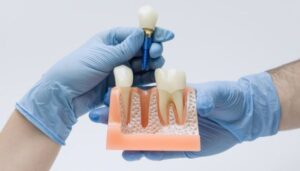
When it comes to the success and longevity of dental implants, lifestyle choices play a much bigger role than many people realize. While implants are designed to be a long-lasting solution for missing teeth, habits such as smoking, poor oral hygiene, and even dietary preferences can directly influence how well your implants perform over time. Understanding these factors can help you protect your investment and maintain a healthy, functional smile for years. Why Lifestyle Matters for Implant Success Dental implants are durable, but they are not completely immune to damage. Bone health, gum condition, and daily care all determine how well implants fuse and remain stable. For example, individuals who smoke may experience slower healing, while those who practice good oral hygiene often see longer-lasting results. Choosing healthy routines not only benefits your general wellness but also ensures your implants function at their best. The Role of Oral Hygiene and Daily Care Proper brushing, flossing, and regular dental checkups are essential for maintaining implant health. When plaque builds up, it can lead to gum infections that may compromise the implant’s stability. Patients who treat their implants as natural teeth and commit to consistent oral care are far more likely to enjoy their implants for decades without complications. How Habits Influence Implant Longevity Some lifestyle habits can have long-term effects: For those considering full mouth dental implants, adopting healthier habits early is critical to ensure a successful recovery and long-term durability. Special Considerations for Different Age Groups Age itself is not a barrier to implants, but health and lifestyle matter greatly. Many patients explore dental implants for seniors, which can be highly successful when combined with proper oral care and balanced nutrition. Seniors who maintain healthy lifestyles often experience outcomes just as positive as younger patients. Exploring Different Implant Solutions There are various types of dental implants available, from single-tooth replacements to advanced same-day solutions. Patients who choose one day dental implants must be particularly mindful of their recovery habits since the immediate placement requires extra care during the healing period. Following your dentist’s post-op guidance helps avoid complications and ensures success. The Power of Consistency Over Time The most successful implant cases usually involve patients who stick to their healthy routines. Real before and after dental implants transformations show not just cosmetic improvement but also a renewed ability to chew, speak, and smile with confidence—all sustained by smart lifestyle choices. Final Thoughts Dental implants are a remarkable advancement in dentistry, but their longevity ultimately depends on the choices you make every day. From what you eat to how you care for your mouth, lifestyle decisions can either shorten or extend the life of your implants. By committing to healthy habits, regular checkups, and mindful care, you ensure your implants remain strong, functional, and beautiful for years to come.

Read More »
dentistry Lewisville

How Long Does Dentistry Take? What to Expect for Common Treatments

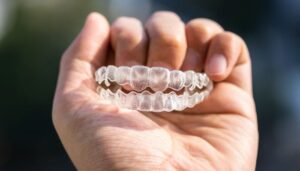
When planning a dental visit, one of the most common questions patients have is: “How long does dentistry take?” The truth is, the length of your dental appointment depends on the type of treatment you’re receiving. From routine cleanings to more advanced procedures, understanding how much time you’ll spend in the chair can help you prepare and feel more comfortable. In this guide, we’ll break down common dental treatments and their average duration so you know what to expect. Routine Dental Cleaning and Checkup A regular dental cleaning and exam is one of the quickest and most essential visits. On average, it takes 30 to 60 minutes. During this time, your dentist or hygienist will: This is a simple and efficient visit that keeps your smile healthy and helps prevent future dental issues. Fillings If you have a cavity, a dental filling is usually required. The process typically takes 20 to 60 minutes, depending on the size and location of the cavity. Composite (tooth-colored) fillings may take a little longer since they require precise layering and curing. Tooth Extractions A simple tooth extraction can take about 20 to 40 minutes, while surgical extractions (such as wisdom teeth removal) may last 45 minutes to over an hour. The time also varies depending on the number of teeth being removed and the complexity of the case. Root Canal Treatment A root canal procedure is more detailed and can last anywhere from 60 to 90 minutes. For complex cases, your dentist may schedule multiple appointments to complete the treatment. Crowns and Bridges Getting a dental crown or bridge usually requires two visits. Orthodontic Treatments (Braces & Invisalign) Orthodontic procedures, like getting braces, may take 1 to 2 hours during the initial appointment. Follow-up adjustment visits are shorter, usually 15 to 30 minutes. Invisalign patients typically have quick checkups every few weeks. Dental Implants A dental implant procedure is one of the lengthier treatments. The surgical placement of the implant post can take 1 to 2 hours per implant, followed by a healing period of several months. Once healed, placing the crown typically takes 30 to 60 minutes. Final Thoughts So, how long does dentistry take? The answer depends on your treatment. Routine cleanings may take less than an hour, while more advanced procedures like implants or root canals require longer appointments or multiple visits. If you’re concerned about timing, always consult your dentist beforehand—they can give you a personalized estimate based on your treatment plan. Taking care of your teeth doesn’t just keep your smile bright—it also protects your overall health. The time spent in the chair is always worth the lifelong benefits of good oral hygiene. 👉 Looking for professional dental care with minimal wait times? Schedule your appointment today and take the first step toward a healthier, brighter smile!

Read More »

Recent Posts

Root Canal Treatment Lewisville Tx

Lorem ipsumLorem ipsumLorem ipsumLorem ipsum

Root Canal Treatment Lewisville Tx

Lorem ipsumLorem ipsumLorem ipsumLorem ipsum

Book An Appointment

Are you a patient of our practice without dental insurance? Then join our wellness club, taking care of your preventive care with a monthly subscription, and save money today! Click below to get your monthly preventive care for a low monthly fee!monthly subscription, and save money today! Click below to get your monthly preventive care for a low monthly fee!

(972) 833-4700

Book An Appointment

Are you a patient of our practice without dental insurance? Then join our wellness club, taking care of your preventive care with a monthly subscription, and save money today! Click below to get your monthly preventive care for a low monthly fee!monthly subscription, and save money today! Click below to get your monthly preventive care for a low monthly fee!

(972) 833-4700

Scroll to Top
Skip to content