
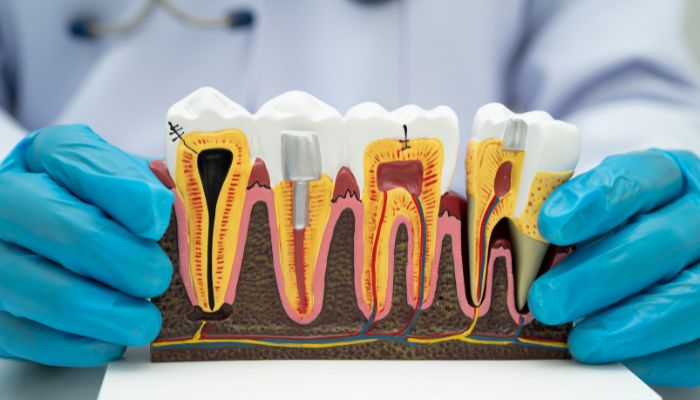
A root canal is a common dental procedure designed to save a severely damaged or infected tooth. Despite its reputation, modern root canal treatments are safe, effective, and often no more uncomfortable than getting a regular dental filling. Understanding the process, timeline, and recovery can help reduce anxiety and make the experience much easier.
What Is a Root Canal?
A root canal is a dental treatment that removes infected or inflamed pulp from inside a tooth. The pulp contains nerves, blood vessels, and connective tissue. When bacteria reach this area due to deep decay, cracks, or injury, it can cause pain and infection.
During the procedure, the dentist or endodontist cleans the infected pulp, disinfects the inside of the tooth, and seals it to prevent further infection. Afterward, the tooth is usually restored with a crown for strength and protection.
While discussing dental restorations, patients sometimes explore solutions like the strongest denture adhesive for missing teeth. However, when a natural tooth can be saved, a root canal is often the preferred option because it preserves natural function and appearance.
How Long Does a Root Canal Take?
The length of a root canal depends on several factors:
- The location of the tooth
- The severity of infection
- Number of canals in the tooth
- Whether it’s a first-time or retreatment procedure
Typically:
- Front teeth: 30–60 minutes
- Premolars: 60–90 minutes
- Molars (more complex): 90 minutes or multiple visits
Most root canals are completed in one appointment, but complicated cases may require two visits to ensure the infection is fully treated.
Do Root Canals Hurt?
Modern root canals are generally not painful. Dentists use local anesthesia to numb the area, making the procedure similar to getting a cavity filled.
You may experience:
- Mild discomfort after treatment
- Slight swelling
- Sensitivity for a few days
Over-the-counter pain relievers usually manage any discomfort effectively. In fact, root canals relieve pain rather than cause it, since they remove the infected tissue responsible for the discomfort.
Are Root Canals Bad for You?
Root canals are considered safe and beneficial. Some myths suggest root canals can cause health problems, but there is no scientific evidence supporting this claim.
Benefits of root canals include:
- Preserving natural teeth
- Preventing infection spread
- Restoring chewing ability
- Maintaining jawbone structure
Avoiding treatment can lead to worsening infection, tooth loss, and more complex dental procedures later.
Can You Eat After a Root Canal?
Yes, but dentists usually recommend waiting until numbness wears off to avoid accidentally biting your cheek or tongue.
After a root canal, it’s best to:
- Eat soft foods for the first 24 hours
- Avoid chewing on the treated tooth
- Skip hard, crunchy, or sticky foods
- Drink plenty of water
Recommended foods include:
- Yogurt
- Mashed potatoes
- Soup
- Smoothies
- Soft pasta
Once the final restoration or crown is placed, you can typically return to normal eating habits.
Recovery and Aftercare Tips
To ensure smooth healing:
- Maintain good oral hygiene
- Brush and floss gently
- Avoid chewing hard foods temporarily
- Attend follow-up appointments
- Get a crown if recommended
Most patients recover quickly and return to normal activities the same day.
Final Thoughts
A root canal is a safe, routine procedure that helps save natural teeth and eliminate pain caused by infection. Most treatments take one appointment, involve minimal discomfort, and offer long-term benefits. With proper care and dental follow-up, a treated tooth can last many years, helping maintain oral health, function, and confidence.