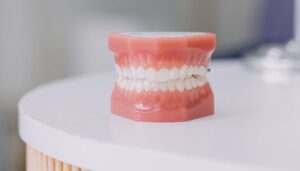
How to Clean and Care for Dentures: A Daily Guide for Beginners
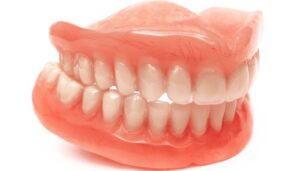
Dentures help restore your smile, improve your ability to chew, and support everyday speaking. However, keeping them clean is essential for maintaining good oral health and ensuring they remain comfortable. Without proper care, dentures can develop plaque, stains, unpleasant odors, and harmful bacteria. If you are new to wearing dentures, learning the right cleaning routine can help you protect your oral tissues and extend the life of your dentures. This beginner-friendly guide explains how to clean, store, and care for dentures every day. Why Is Daily Denture Care Important? Even though dentures are artificial teeth, they still require regular cleaning. Food particles, plaque, and bacteria can accumulate on their surfaces and irritate your gums. Poor denture hygiene may also contribute to bad breath, mouth sores, and oral infections. A consistent cleaning routine helps keep your dentures fresh, protects your gums, and allows you to enjoy your daily activities with greater confidence. Step-by-Step Guide to Cleaning Dentures 1. Remove and Rinse Your Dentures After eating, remove your dentures when practical and rinse them under running water to remove loose food particles. Handle them carefully because dentures can break if dropped. Place a folded towel in the sink or fill it with water before cleaning. This creates a softer landing surface if your dentures slip from your hands. 2. Brush Your Dentures Daily Clean your dentures at least once a day using a soft denture brush and a cleaner specifically designed for dentures. Gently brush every surface, including the areas that rest against your gums. Avoid regular toothpaste unless your dentist specifically recommends it. Many toothpastes are abrasive and may scratch denture surfaces, allowing stains and bacteria to accumulate more easily. 3. Use a Suitable Denture Cleaner Soaking your dentures in an appropriate denture-cleaning solution can help remove deposits and keep them fresh. Always follow the product instructions and your dentist’s recommendations. Never use hot or boiling water, as high temperatures can warp dentures and affect their fit. Also, avoid household bleach or harsh cleaning products unless your dental professional specifically advises a suitable product for your denture type. 4. Clean Your Mouth and Gums Denture care also includes cleaning your mouth. After removing your dentures, gently brush your gums, tongue, and the roof of your mouth with a soft toothbrush. If you have remaining natural teeth, brush them twice daily with fluoride toothpaste and clean between them every day. If you wear partial dentures, pay particular attention to the natural teeth that support them. 5. Store Dentures Properly Overnight Most dentures should be removed overnight to give your oral tissues time to rest. Keep them in water or the recommended soaking solution to prevent them from drying out, unless your dentist has provided different instructions. Always check the cleaner’s directions, as some solutions must be rinsed off thoroughly before dentures are placed back in your mouth. Common Denture Care Mistakes to Avoid Beginners sometimes make simple mistakes that can damage dentures or irritate the mouth. Avoid these common habits: When Should You Visit Your Dentist? Schedule regular dental checkups even if you wear complete dentures. Your dentist can examine your gums, check the condition of your dentures, and identify changes in fit. Your mouth can change shape over time, making adjustments or replacement necessary. Contact your dentist if your dentures become loose, crack, cause persistent irritation, or make chewing difficult. Do not attempt to reshape or repair them at home. Final Thoughts Learning how to clean and care for dentures does not need to be complicated. Daily brushing, proper soaking, good oral hygiene, and regular dental visits can help keep your dentures comfortable and clean. If you are experiencing discomfort or have questions about your denture care routine, consult your dentist for personalized guidance. With the right habits, you can protect your oral health and enjoy a more confident smile every day.