
We take care of
your health

Lorem ipsum dolor sit amet, consectetur adipiscing elit. 

Should I Get Dental Implants for Missing Teeth?

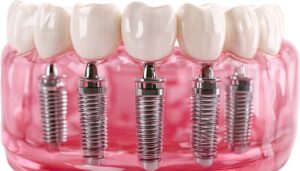
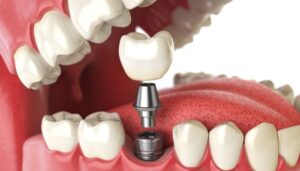
Missing teeth can affect more than just your smile. They may change how you chew, speak, and even how confident you feel in daily interactions. Over time, tooth loss can also impact jawbone health and cause nearby teeth to shift. Because of these long-term effects, many people explore permanent solutions rather than temporary fixes. When considering treatment, it’s natural to ask whether dental implants are the right choice for your situation. In simple terms, implants are artificial tooth roots placed in the jawbone to support crowns, bridges, or dentures. For people evaluating dental implants for missing teeth, the decision often comes down to understanding how they work, their benefits, costs, and available alternatives. Dental Implants for Multiple Missing Teeth If you are missing more than one tooth, implants can still be an effective solution. Instead of replacing each tooth individually, dentists may use fewer implants to support a bridge. This approach helps distribute biting forces evenly and preserves bone structure, which is especially important when several teeth are missing in one area. Key Benefits of Dental Implants for Missing Teeth One of the main advantages of implants is stability. Because they fuse with the jawbone, they function much like natural tooth roots. This can help prevent bone loss, a common issue after tooth extraction. Implants also do not rely on neighboring teeth for support, unlike traditional bridges, which may require reshaping healthy teeth. Other benefits include improved chewing efficiency, clearer speech, and easier maintenance compared to removable options. With proper care, implants may last many years. Best Options for Replacing Missing Teeth: Dental Implants, Bridges, Dentures Choosing between implants, bridges, and dentures depends on oral health, budget, and personal preference. Bridges are fixed and restore appearance quickly but may affect adjacent teeth. Dentures are more affordable and non-surgical, though some people find them less stable. Implants sit between these options, offering durability and a natural feel, but they involve a surgical procedure and longer healing time. Affordable Dental Implants for Multiple Missing Teeth Cost is a common concern. While implants can be more expensive upfront, they may reduce long-term expenses related to replacements or adjustments. Some treatment plans use implant-supported bridges or partial dentures to lower overall costs. Insurance coverage, payment plans, and regional pricing can also influence affordability. Alternatives to Dental Implants for Missing Teeth Not everyone is a candidate for implants due to medical conditions, bone density issues, or personal preference. Alternatives include removable partial dentures, full dentures, or traditional bridges. Each option has its own advantages and limitations, making professional evaluation essential before deciding. Full Mouth Dental Implants for Loose or Missing Teeth For individuals with extensive tooth loss or failing teeth, full-mouth implant solutions may be considered. These approaches use a strategic number of implants to support a full arch of teeth, improving stability and function compared to conventional dentures. Final Thoughts Deciding whether to get dental implants for missing teeth is a personal choice that depends on health, lifestyle, and expectations. Understanding how implants compare with other solutions can help you make an informed decision. Consulting a qualified dental professional ensures that the chosen option aligns with both short-term needs and long-term oral health goals.

Read More »
Dental implants

Do Dental Implants Hurt? A Clear, Honest Explanation

One of the most common concerns people have before choosing tooth replacement is pain. The idea of oral surgery naturally raises questions about discomfort, recovery time, and what the experience truly feels like. Understanding what happens before, during, and after treatment can help set realistic expectations and reduce anxiety. Modern dentistry has advanced significantly, and implant-based tooth replacement is now a highly controlled and predictable procedure. Pain management techniques, improved surgical methods, and personalized aftercare plans all play a role in making the process more comfortable than many people expect. In most cases, patients report that the experience is far less painful than they imagined. The placement of dental implants is typically performed with local anesthesia, which prevents pain during the procedure itself. Any discomfort that follows is usually temporary and manageable with standard care. Below, we break down the most frequently asked questions about pain related to implants, using a clear, informational approach to help you make an informed decision. Do Dental Implants Hurt During Procedure? During the procedure, pain is not usually an issue. Local anesthesia is used to numb the treatment area completely, so patients feel pressure but not pain. In some cases, sedation options may be available for those with dental anxiety or more complex treatment needs. Most patients compare the sensation to having a tooth extracted, and many even report that it feels easier. The dentist carefully prepares the jawbone and places the implant with precision, minimizing trauma to surrounding tissues. Because the area is numb, discomfort during surgery is rare. Any sensations felt are typically limited to vibration or mild pressure rather than sharp pain. How Bad Do Dental Implants Hurt? Pain levels after the procedure vary from person to person, but for most, it is considered mild to moderate. Common post-treatment symptoms include soreness at the implant site, slight swelling, and minor bruising around the gums or jaw. These symptoms are a normal part of the healing process and usually peak within the first 48 hours. Over-the-counter pain relievers and cold compresses are often enough to manage discomfort effectively. Compared to other oral surgeries, many patients find implant-related pain to be less intense and shorter in duration. How Long Do Dental Implants Hurt? Discomfort typically lasts a few days, with noticeable improvement after the first week. Most patients can return to normal daily activities within 24 to 48 hours, although strenuous activity may be limited for a short time. The healing phase, known as osseointegration, takes several months, but this process is usually painless. Once the initial soreness subsides, patients rarely experience ongoing discomfort during healing. If pain persists beyond a week or worsens instead of improving, it may indicate an issue that requires professional evaluation. Do Dental Implants Hurt Forever? No, dental implants are not meant to cause long-term pain. Once healing is complete and the implant has fully integrated with the jawbone, it should feel just like a natural tooth. Chronic pain is not normal and may be linked to complications such as infection, improper placement, or excessive pressure on the implant. These situations are uncommon and often preventable with proper planning and follow-up care. When placed and maintained correctly, implants are designed to improve comfort, function, and quality of life—not reduce it. What Influences Pain Levels After Implant Surgery? Several factors can affect how much discomfort a patient experiences, including overall health, bone density, the number of implants placed, and adherence to aftercare instructions. Smoking, poor oral hygiene, and certain medical conditions may also slow healing and increase sensitivity. Following post-procedure guidelines—such as maintaining oral hygiene, eating soft foods, and attending follow-up visits—plays a key role in minimizing discomfort and supporting smooth recovery. Final Thoughts So, do dental implants hurt? For most people, the answer is far less than expected. With effective anesthesia, careful surgical techniques, and proper aftercare, discomfort is typically short-lived and manageable. Understanding the process helps remove fear and allows patients to focus on the long-term benefits of restored function and confidence.

Read More »
emergency dentist lewisville, TX

Are Emergency Dentists Expensive? A Complete Cost Guide for Patients

Dental emergencies can happen without warning—severe tooth pain, a broken tooth, swelling, or an infection that can’t wait. When faced with sudden discomfort, many people ask the same question: are emergency dentists expensive? The short answer is it depends. The cost of emergency dental care varies based on several important factors, and understanding them can help you make informed decisions during a stressful situation. What Is Considered Emergency Dental Care? Emergency dental care focuses on treating urgent oral health issues that require immediate attention. These may include intense toothaches, knocked-out teeth, cracked or broken teeth, infections, abscesses, bleeding gums after trauma, or swelling that affects breathing or swallowing. Emergency dentists prioritize pain relief, infection control, and stabilizing the problem until full treatment can be completed. Why Emergency Dental Visits Often Cost More Emergency dental services may seem expensive compared to routine visits because of their urgency and complexity. Dentists often need to provide same-day appointments, use advanced diagnostic tools like X-rays, and perform immediate procedures to prevent complications. Additionally, emergency visits may occur outside normal business hours, which can increase operational costs for clinics. Average Cost of an Emergency Dental Visit The cost of seeing an emergency dentist typically includes an exam fee and any required treatment. An emergency consultation alone may cost more than a standard dental checkup. Treatments such as fillings, extractions, root canals, or temporary restorations can significantly increase the total bill. Simple pain relief or medication may be less expensive, while infections or trauma-related cases usually cost more due to their severity. Does Dental Insurance Cover Emergency Dentistry? Many dental insurance plans provide partial coverage for emergency dental care, but coverage levels vary. Preventive and basic emergency treatments are often covered at a higher percentage than major procedures. However, deductibles, waiting periods, and annual limits can still affect out-of-pocket costs. Patients without insurance typically pay the full cost, which can make emergency dental visits feel expensive. Are Emergency Dentists More Expensive Than Regular Dentists? Emergency dentists are not necessarily more expensive by default, but the treatments they provide often are. A routine dentist may charge similar rates for the same procedure if performed during regular hours. The difference lies in urgency—emergency cases often require immediate diagnostics, rapid decision-making, and temporary or complex solutions, all of which influence pricing. How to Manage Emergency Dental Costs If you’re worried about affordability, there are ways to manage emergency dental expenses. Some clinics offer payment plans, financing options, or transparent upfront pricing. Dental discount plans, community clinics, and dental schools may provide lower-cost emergency services. Acting early can also help—delaying treatment may lead to complications that increase costs later. Is Emergency Dental Care Worth the Cost? While emergency dental care may seem costly, it often prevents more serious health issues and higher expenses in the future. Untreated infections or dental trauma can lead to severe pain, tooth loss, or systemic health problems. In many cases, timely emergency treatment is not just a dental necessity but a health priority. Final Thoughts So, are emergency dentists expensive? They can be, but the cost reflects the urgency, expertise, and immediate care required. Understanding what influences pricing helps patients prepare financially and prioritize their oral health. In emergencies, timely care often saves both money and long-term discomfort.

Read More »
Emergency Dental Care

Why Choose Family Dentistry for Emergency Care?

Dental emergencies can happen without warning—late at night, on weekends, or in the middle of a busy workday. Sudden tooth pain, broken teeth, or oral injuries often create stress because they require quick decisions. Understanding why family dentistry is well-suited for urgent situations can help patients respond calmly and make informed choices when time matters most. Understanding Dental Emergencies in Everyday Life A dental emergency isn’t always dramatic, but it can quickly affect comfort, health, and daily function. Severe toothaches, knocked-out teeth, infections, and injuries from accidents are common examples. Many of these situations fall under medical emergencies in dentistry, where delaying care may worsen pain or lead to complications. Family dental practices are designed to address a wide range of these concerns efficiently because they already manage diverse oral health needs across age groups. One Trusted Place for All Ages One of the key advantages of family dentistry is continuity of care. When emergencies arise, having a dental team that already knows your medical history, past treatments, and dental patterns can save valuable time. This familiarity allows dentists to assess urgent problems more accurately and recommend appropriate next steps without starting from scratch. In situations where patients search for emergency dentistry near me, dental family dentistry, family practices often stand out because they treat both adults and children under one roof. This all-in-one approach reduces confusion during stressful moments and helps families get coordinated care quickly. Emergency Care for Children and Teens Children are especially prone to dental accidents from sports, playtime falls, or unexpected tooth pain. Family dental clinics are experienced in emergency dentistry for kids, where both clinical skill and emotional reassurance are essential. Dentists trained to work with young patients know how to calm anxiety while delivering timely care. Similarly, emergency pediatric dentistry focuses on protecting developing teeth and preventing long-term issues. Family dentists understand growth stages and can make decisions that support a child’s oral development while addressing the immediate problem. Familiar Technology and Faster Decisions Many family practices operate as modern family dentistry, using digital X-rays, intraoral cameras, and electronic records. In emergencies, these tools help dentists quickly diagnose issues like fractures, infections, or abscesses. Faster diagnosis means faster relief and fewer unnecessary procedures. Because these clinics already offer preventive, restorative, and urgent care, they are often prepared to manage emergencies without referrals. This reduces delays and helps patients receive consistent guidance from a provider they already trust. Preventing Small Problems from Becoming Big Ones Another benefit of choosing family dentistry for emergencies is prevention. Dentists who see patients regularly can identify risks early and provide guidance to avoid repeat incidents. Addressing medical emergencies in dentistry promptly also lowers the chance of complications that might require more invasive treatment later. When emergencies do occur, having an established dental home ensures care is not fragmented. Follow-up visits, monitoring, and long-term planning are easier when everything is handled within the same practice. Why Family Dentistry Makes Sense in Urgent Situations Family dentistry combines accessibility, familiarity, and comprehensive care. From managing pain to protecting long-term oral health, these practices are structured to respond efficiently when unexpected problems arise. For families, this means fewer decisions under pressure and clearer paths to recovery. Key Takeaway Choosing family dentistry for emergency care offers practical advantages: quicker assessments, age-appropriate treatment, and continuity that supports better outcomes. In urgent dental situations, having a trusted, prepared provider can make a meaningful difference in both comfort and confidence.

Read More »

Recent Posts

Root Canal Treatment Lewisville Tx

Lorem ipsumLorem ipsumLorem ipsumLorem ipsum

Root Canal Treatment Lewisville Tx

Lorem ipsumLorem ipsumLorem ipsumLorem ipsum

Book An Appointment

Are you a patient of our practice without dental insurance? Then join our wellness club, taking care of your preventive care with a monthly subscription, and save money today! Click below to get your monthly preventive care for a low monthly fee!monthly subscription, and save money today! Click below to get your monthly preventive care for a low monthly fee!

(972) 833-4700

Book An Appointment

Are you a patient of our practice without dental insurance? Then join our wellness club, taking care of your preventive care with a monthly subscription, and save money today! Click below to get your monthly preventive care for a low monthly fee!monthly subscription, and save money today! Click below to get your monthly preventive care for a low monthly fee!

(972) 833-4700

Scroll to Top
Skip to content