How Dental Implant Repair Can Restore Your Smile and Oral Health
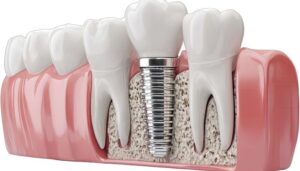
A damaged or uncomfortable dental implant can affect much more than your smile. It may make chewing difficult, create sensitivity or pain, affect your confidence, and make everyday activities feel frustrating. The good news is that an implant problem does not always mean the entire restoration needs to be replaced. Depending on the cause and condition of the implant, dental implant repair may restore the function and appearance of your smile while addressing the underlying problem. Dental implants are designed to provide a stable foundation for replacement teeth, but like natural teeth and other dental restorations, they can develop mechanical or biological complications. A loose crown, worn attachment, damaged implant screw, inflammation around the implant, or changes in the supporting bone may require professional evaluation. Early treatment can sometimes prevent a relatively manageable problem from becoming more complicated. What Is Dental Implant Repair? Dental implant repair is the process of diagnosing and treating a problem involving an implant, abutment, implant-supported crown, bridge, denture, or related components. A dental implant system generally includes three main parts: Not every implant problem involves the implant itself. For example, a loose implant-supported crown may require adjustment or replacement of a screw rather than removal of the implant. The American Dental Association recognizes procedures involving access and retorquing of loose implant screws as well as replacement of implant screws, illustrating that some implant complications can be addressed without replacing the entire system. Common Signs You May Need Dental Implant Repair Contact a dentist if you notice changes around an existing implant, particularly if they persist or worsen. Common warning signs include: Inflammation around an implant can range from inflammation limited to the surrounding soft tissue to peri-implantitis, which involves inflammation accompanied by loss of supporting bone. A loose restoration does not necessarily mean the implant has failed. However, mobility of the implant itself can be a more serious concern and should be evaluated promptly. Common Causes of Dental Implant Problems Implant complications can have several causes. Understanding them can help patients recognize why professional diagnosis matters. Mechanical Problems The components connecting an implant to a crown or other restoration can loosen, wear, fracture, or become damaged. In some cases, a dentist may be able to tighten, repair, or replace the affected component. Peri-Implant Disease Bacteria and plaque accumulation can contribute to inflammation around dental implants. Peri-implantitis involves inflammation and progressive loss of supporting bone, making early diagnosis and treatment important. Excessive Bite Forces Clenching, grinding, or an uneven bite can place excessive forces on an implant restoration and its components. Your dentist may evaluate your bite and recommend appropriate treatment or protection. Poor Oral Hygiene Implants still require regular professional maintenance and daily home care. Plaque accumulation around an implant can contribute to inflammation and other complications. Changes in Supporting Bone Healthy supporting bone is important for implant stability. Bone loss associated with disease or other factors can compromise an implant and may influence whether it can be repaired or needs replacement. How Dental Implant Repair Works The treatment process depends on the problem. A dentist or implant specialist will typically begin with a comprehensive examination. This may involve: Treatment might involve cleaning around the implant, treating inflammation, tightening or replacing a component, repairing a restoration, adjusting the bite, or addressing supporting tissue problems. The exact approach depends on the diagnosis. The American Dental Association emphasizes that patients should receive a comprehensive examination and discuss treatment alternatives with their dentist before proceeding with complex implant treatment. Can a Failed Dental Implant Be Repaired? Sometimes, but not always. The word “failed” can describe different situations. A damaged crown or loose screw may be repairable, while an implant that has lost significant supporting bone or become unstable may require removal and eventual replacement. The key question is what has failed and why. For example, a restoration may be damaged while the underlying implant remains stable and healthy. In that situation, repairing or replacing the restoration may be enough. On the other hand, significant bone loss or infection affecting the implant may require a different treatment plan. Your dentist may recommend removing a failing implant, allowing the area to heal, addressing underlying problems, and evaluating whether another implant can be placed later. Dental Implant Repair vs. Dental Implant Replacement Repair and replacement are not the same. Dental implant repair focuses on preserving and restoring the existing implant system whenever clinically appropriate. It may involve repairing or replacing components rather than removing the implant. Dental implant replacement involves removing a problematic implant and determining whether a new implant can be placed immediately or after the area has healed. The appropriate choice depends on factors such as implant stability, bone condition, infection, restoration damage, oral hygiene, bite forces, and overall oral health. Because every implant case is different, an examination is necessary before determining whether repair or replacement is appropriate. How Fast Tooth Replacement Options Fit Into Treatment Patients with failing teeth or multiple missing teeth sometimes search for dental implants in one day, one day dental implants, or same day dental implants because they want to restore their smile quickly. These terms generally refer to treatment approaches in which implant placement and a temporary or immediate restoration may occur within a short timeframe. However, they do not mean that every patient can complete every stage of implant treatment in a single day. Immediate or same-day treatment depends on factors such as the condition of the teeth and gums, available bone, implant stability, overall oral health, and the dentist’s treatment plan. For some carefully selected patients, immediate loading can be considered. For others, conventional staged treatment may provide a more appropriate path to predictable healing and long-term function. Therefore, patients should view “same day” or “one day” treatment as a potential treatment approach—not a guarantee that every case can be completed in one appointment. Full Mouth Dental Implants for Extensive Tooth Loss Patients with extensive tooth loss may need more than repair of an individual implant. In these situations,