
A damaged or uncomfortable dental implant can affect much more than your smile. It may make chewing difficult, create sensitivity or pain, affect your confidence, and make everyday activities feel frustrating. The good news is that an implant problem does not always mean the entire restoration needs to be replaced. Depending on the cause and condition of the implant, dental implant repair may restore the function and appearance of your smile while addressing the underlying problem.
Dental implants are designed to provide a stable foundation for replacement teeth, but like natural teeth and other dental restorations, they can develop mechanical or biological complications. A loose crown, worn attachment, damaged implant screw, inflammation around the implant, or changes in the supporting bone may require professional evaluation. Early treatment can sometimes prevent a relatively manageable problem from becoming more complicated.
What Is Dental Implant Repair?
Dental implant repair is the process of diagnosing and treating a problem involving an implant, abutment, implant-supported crown, bridge, denture, or related components.
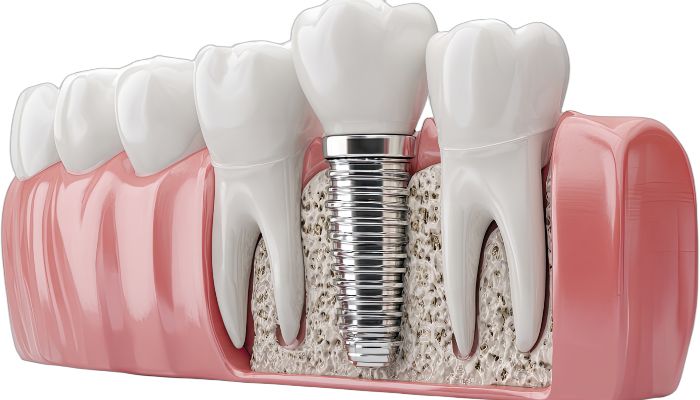
A dental implant system generally includes three main parts:
- Implant: The component placed into the jawbone.
- Abutment: The connector between the implant and replacement tooth.
- Prosthetic restoration: The crown, bridge, denture, or full-arch restoration attached to the implant.
Not every implant problem involves the implant itself. For example, a loose implant-supported crown may require adjustment or replacement of a screw rather than removal of the implant. The American Dental Association recognizes procedures involving access and retorquing of loose implant screws as well as replacement of implant screws, illustrating that some implant complications can be addressed without replacing the entire system.
Common Signs You May Need Dental Implant Repair
Contact a dentist if you notice changes around an existing implant, particularly if they persist or worsen.
Common warning signs include:
- A loose crown, bridge, or denture
- A feeling that the implant-supported tooth is moving
- Pain when chewing
- Swelling or tenderness around the implant
- Red, irritated, or bleeding gums
- Pus or drainage around the implant
- Unusual sensitivity or discomfort
- Difficulty biting or chewing normally
- A cracked or chipped implant restoration
- A damaged or loose implant screw
- Changes in how your teeth come together
Inflammation around an implant can range from inflammation limited to the surrounding soft tissue to peri-implantitis, which involves inflammation accompanied by loss of supporting bone.
A loose restoration does not necessarily mean the implant has failed. However, mobility of the implant itself can be a more serious concern and should be evaluated promptly.
Common Causes of Dental Implant Problems
Implant complications can have several causes. Understanding them can help patients recognize why professional diagnosis matters.
Mechanical Problems
The components connecting an implant to a crown or other restoration can loosen, wear, fracture, or become damaged. In some cases, a dentist may be able to tighten, repair, or replace the affected component.
Peri-Implant Disease
Bacteria and plaque accumulation can contribute to inflammation around dental implants. Peri-implantitis involves inflammation and progressive loss of supporting bone, making early diagnosis and treatment important.
Excessive Bite Forces
Clenching, grinding, or an uneven bite can place excessive forces on an implant restoration and its components. Your dentist may evaluate your bite and recommend appropriate treatment or protection.
Poor Oral Hygiene
Implants still require regular professional maintenance and daily home care. Plaque accumulation around an implant can contribute to inflammation and other complications.
Changes in Supporting Bone
Healthy supporting bone is important for implant stability. Bone loss associated with disease or other factors can compromise an implant and may influence whether it can be repaired or needs replacement.
How Dental Implant Repair Works
The treatment process depends on the problem. A dentist or implant specialist will typically begin with a comprehensive examination.
This may involve:
- Reviewing your symptoms and dental history
- Examining the implant and surrounding tissues
- Checking the restoration and implant components
- Taking dental X-rays or other diagnostic images when appropriate
- Evaluating the bite and implant stability
- Determining whether the problem is mechanical, biological, or both
- Creating an individualized treatment plan
Treatment might involve cleaning around the implant, treating inflammation, tightening or replacing a component, repairing a restoration, adjusting the bite, or addressing supporting tissue problems.
The exact approach depends on the diagnosis. The American Dental Association emphasizes that patients should receive a comprehensive examination and discuss treatment alternatives with their dentist before proceeding with complex implant treatment.
Can a Failed Dental Implant Be Repaired?
Sometimes, but not always.
The word “failed” can describe different situations. A damaged crown or loose screw may be repairable, while an implant that has lost significant supporting bone or become unstable may require removal and eventual replacement.
The key question is what has failed and why.
For example, a restoration may be damaged while the underlying implant remains stable and healthy. In that situation, repairing or replacing the restoration may be enough. On the other hand, significant bone loss or infection affecting the implant may require a different treatment plan.
Your dentist may recommend removing a failing implant, allowing the area to heal, addressing underlying problems, and evaluating whether another implant can be placed later.
Dental Implant Repair vs. Dental Implant Replacement
Repair and replacement are not the same.
Dental implant repair focuses on preserving and restoring the existing implant system whenever clinically appropriate. It may involve repairing or replacing components rather than removing the implant.
Dental implant replacement involves removing a problematic implant and determining whether a new implant can be placed immediately or after the area has healed.
The appropriate choice depends on factors such as implant stability, bone condition, infection, restoration damage, oral hygiene, bite forces, and overall oral health.
Because every implant case is different, an examination is necessary before determining whether repair or replacement is appropriate.
How Fast Tooth Replacement Options Fit Into Treatment
Patients with failing teeth or multiple missing teeth sometimes search for dental implants in one day, one day dental implants, or same day dental implants because they want to restore their smile quickly.
These terms generally refer to treatment approaches in which implant placement and a temporary or immediate restoration may occur within a short timeframe. However, they do not mean that every patient can complete every stage of implant treatment in a single day.
Immediate or same-day treatment depends on factors such as the condition of the teeth and gums, available bone, implant stability, overall oral health, and the dentist’s treatment plan.
For some carefully selected patients, immediate loading can be considered. For others, conventional staged treatment may provide a more appropriate path to predictable healing and long-term function.
Therefore, patients should view “same day” or “one day” treatment as a potential treatment approach—not a guarantee that every case can be completed in one appointment.
Full Mouth Dental Implants for Extensive Tooth Loss
Patients with extensive tooth loss may need more than repair of an individual implant. In these situations, full mouth dental implants or other full-arch implant-supported solutions may be considered.
Full-arch implant treatment can use multiple implants to support a fixed or removable prosthesis. The American Academy of Implant Dentistry recognizes complete implant-supported prostheses as an established treatment approach for edentulous patients.
For someone with several failing restorations, severe tooth loss, or multiple dental concerns, a comprehensive evaluation can help determine whether individual repairs, replacement implants, a removable solution, or full-arch treatment makes the most sense.
Benefits of Timely Dental Implant Repair
Addressing implant problems early may offer several advantages:
- Protects oral function: Treating discomfort or instability can help restore comfortable chewing.
- Supports oral health: Early management of inflammation may help prevent progression of peri-implant disease.
- Preserves existing components: If the implant itself remains healthy, repairing a damaged component may avoid unnecessary replacement.
- Restores confidence: A stable, attractive restoration can make smiling and speaking more comfortable.
- Identifies underlying problems: An examination can uncover bite issues, hygiene concerns, or other factors contributing to complications.
- Supports long-term maintenance: Professional evaluation and ongoing care can help protect implant-supported restorations.
Implant-supported restorations can have long-term success, but maintenance remains important because biological and technical complications can occur.
How to Prevent Future Implant Problems
Good daily care and professional maintenance are important for protecting dental implants.
Consider these habits:
- Brush your teeth and implant restorations thoroughly.
- Clean between teeth and around implants as recommended.
- Attend routine dental examinations.
- Follow your dentist’s recommended implant maintenance schedule.
- Avoid using implants to bite extremely hard objects.
- Tell your dentist about grinding or clenching.
- Address gum inflammation promptly.
- Follow all post-treatment instructions after implant procedures.
Good maintenance does not guarantee that complications will never occur, but it can help identify problems before they become more advanced.
When Should You See a Dentist?
Do not ignore a loose, painful, swollen, or bleeding implant.
If your implant restoration feels different from normal, schedule an examination. Prompt evaluation is particularly important when you experience significant pain, swelling, drainage, increasing mobility, or difficulty chewing.
A dentist can determine whether the problem involves the crown, abutment, screw, surrounding gum tissue, supporting bone, or implant itself. That diagnosis is essential for deciding whether repair, additional treatment, or replacement is appropriate.
If you are considering dental implants in one day, same day dental implants, or a full-mouth solution, ask your dentist whether your oral health and individual circumstances make you a suitable candidate.
Frequently Asked Questions
What is dental implant repair?
Dental implant repair is the diagnosis and treatment of problems affecting a dental implant, abutment, screw, crown, bridge, denture, or surrounding tissues. Treatment depends on the cause and may involve repairing or replacing a component rather than replacing the entire implant.
Can a damaged dental implant be repaired?
Sometimes. If the problem involves a crown, screw, abutment, or other removable component, repair or component replacement may be possible. If the implant itself is unstable or has significant supporting bone loss, removal and replacement may be necessary.
How long does dental implant repair take?
Treatment time varies. A simple component adjustment or replacement may be completed relatively quickly, while infection, bone loss, or a failing implant may require multiple appointments and additional treatment.
Is dental implant repair painful?
The level of discomfort depends on the procedure being performed. Your dental professional can use appropriate anesthesia and pain-management strategies when necessary. Patients should report persistent or worsening pain after treatment.
Can a failed dental implant be replaced?
Yes, in many cases a failed implant can eventually be replaced, but the timing depends on the reason for failure and the condition of the surrounding bone and tissues. Some patients may need additional treatment or healing time before another implant is placed.
Are same day dental implants suitable for everyone?
No. Same day dental implants are not appropriate for every patient. Candidacy depends on factors such as oral health, bone condition, implant stability, and the specific treatment plan. A comprehensive dental evaluation is necessary.
What are full mouth dental implants?
Full mouth dental implants are implant-supported solutions designed to replace many or all missing teeth, often using multiple implants to support a full-arch prosthesis. The exact number of implants and restoration design varies by patient.
What is the difference between one day dental implants and traditional implant treatment?
One day dental implants generally refer to treatment approaches designed to provide implant placement and a temporary or immediate restoration in a short timeframe. Traditional treatment may involve separate surgical, healing, and restoration stages. Not every patient is a candidate for immediate treatment.
Restore Your Smile With the Right Implant Treatment
A damaged or uncomfortable implant does not automatically mean you have to start over. In many situations, the problem may involve a repairable component or a treatable condition surrounding the implant. The first step is determining exactly what is causing the problem.
Whether you need dental implant repair, replacement of a failing implant, full mouth dental implants, or are exploring same day dental implants, a comprehensive evaluation can help you understand your options.
Don’t let a loose, painful, or damaged implant affect your smile and quality of life. Schedule a consultation with a qualified dental professional to evaluate your implant and discuss the right treatment plan for restoring your comfort, function, and confidence.