We take care of
your health

Lorem ipsum dolor sit amet, consectetur adipiscing elit. 

Same Day Dental Implants

Benefits of Same Day Dental Implants for Missing Teeth Replacement

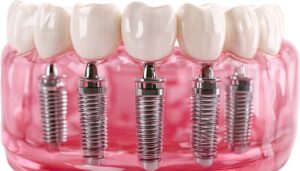
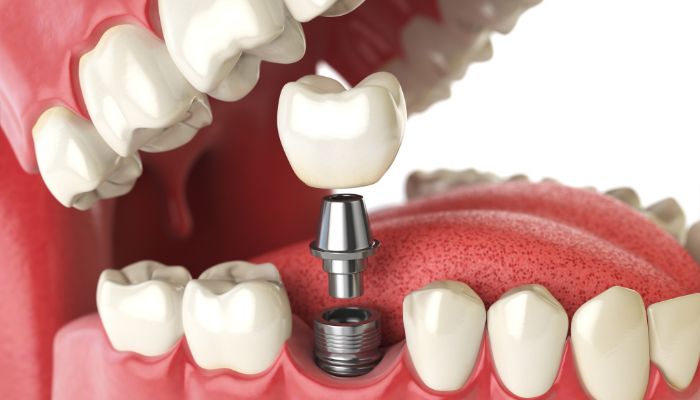
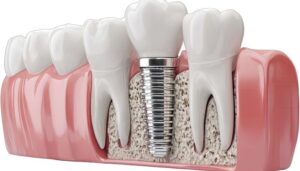
Missing teeth can affect more than just your appearance. They may impact your ability to chew, speak clearly, and maintain overall oral health. In recent years, same day dental implants have become a popular solution for individuals seeking a faster and more convenient tooth replacement option. Unlike traditional implant procedures that may require several months of treatment, same-day implants can often provide a functional and natural-looking tooth in a single appointment. What Are Same Day Dental Implants? Same day dental implants are a modern tooth replacement procedure in which a dental implant and a temporary restoration are placed during the same visit. This approach allows patients to leave the dental office with an improved smile without waiting months for a replacement tooth. The procedure is typically recommended for patients with healthy gums, sufficient jawbone density, and good overall oral health. A qualified dental implants dentist will evaluate whether this treatment option is suitable based on individual needs and conditions. Immediate Smile Restoration with Same Day Dental Implants One of the biggest advantages of same-day implants is the ability to restore a smile immediately. Traditional implant treatments often involve a healing period before a crown can be attached. With same-day treatment, patients can enjoy improved aesthetics right away. This can be particularly beneficial for individuals who have lost a front tooth and want to maintain confidence in social and professional situations. Improved Comfort and Convenience Many patients appreciate the convenience of reducing the number of appointments required for treatment. Because the implant and temporary restoration are placed during the same visit, the overall treatment timeline is often shorter. This streamlined process can minimize disruptions to daily life while still delivering long-term tooth replacement benefits. How Affordable Dental Implants Can Reduce Long-Term Costs When considering tooth replacement options, many patients compare long-term value rather than just the initial cost. While the upfront investment may vary, affordable dental implants can help reduce future expenses associated with removable dentures, bridges, or ongoing maintenance. Dental implants are designed to be durable and long-lasting, making them a cost-effective solution for many individuals over time. Why Many Patients Consider Them the Best Dental Implants Option Many dental professionals regard implant-supported restorations as one of the most effective tooth replacement solutions available. The reason is simple: implants replace both the tooth root and visible crown, helping preserve jawbone health and facial structure. For patients seeking stability, functionality, and a natural appearance, same-day procedures can offer many of the benefits associated with the best dental implants available today. The Role of a Dental Implants Periodontist in Treatment Success A dental implants periodontist specializes in the structures that support teeth, including the gums and jawbone. These specialists often play an important role in implant planning and placement, especially for patients with gum disease or bone loss concerns. Proper diagnosis, treatment planning, and post-procedure care are essential factors that contribute to successful implant outcomes. Preserving Jawbone Health When a tooth is lost, the jawbone in that area can gradually shrink due to lack of stimulation. Dental implants function similarly to natural tooth roots, helping maintain bone density and supporting long-term oral health. This preservation of bone structure is one reason implants are frequently preferred over other tooth replacement alternatives. Enhanced Chewing Ability and Speech Missing teeth can make eating certain foods difficult and may even affect speech patterns. Same-day implants provide a stable foundation that allows patients to chew more effectively and speak with greater confidence. Because implants are securely anchored in the jaw, they generally feel more natural than removable prosthetic options. Conclusion Same day dental implants offer a modern and efficient solution for missing teeth replacement. They provide immediate aesthetic improvements, support jawbone health, enhance oral function, and reduce treatment timelines. While not every patient is a candidate, consulting a qualified dental implants dentist or dental implants periodontist can help determine the most appropriate treatment plan. For many individuals, same-day implants represent a reliable and long-lasting path toward restoring both their smile and oral health.

Read More »
Dental Implants lewisvillle

Dental Implant Repair vs. Replacement: Which Option Is Right for You?

Dental implants are widely recognized as one of the most reliable solutions for replacing missing teeth. They are designed to be durable and long-lasting, but like any dental restoration, they may occasionally require maintenance. If you experience discomfort, damage, or functional issues, you may wonder whether dental implant repair is enough or if complete replacement is necessary. Understanding the differences between repair and replacement can help you make informed decisions about your oral health. Understanding Dental Implants Repair: When a Fix Is Enough In many cases, dental implants repair can restore function and appearance without replacing the entire implant. Not every implant-related issue affects the titanium post that integrates with the jawbone. Common situations where repair may be appropriate include: When the implant post remains healthy and securely fused to the bone, repairing or replacing only the damaged restoration components is often the least invasive option. Signs You May Need Dental Implant Repair Early detection of implant problems can prevent more extensive treatment. Some signs that may indicate the need for dental implant repair include: A dental evaluation can determine whether the issue involves the restoration or the implant structure itself. When Implant Replacement Becomes Necessary Although repairs are often successful, some situations require full implant replacement. This typically occurs when the implant’s foundation is compromised. Potential reasons for replacement include: In these cases, preserving the implant may no longer be possible, making replacement the safest long-term solution. Comparing Repair and Replacement as Tooth Replacement Options When evaluating tooth replacement options, it is important to consider several factors. Repair Advantages Replacement Advantages The appropriate choice depends on the condition of the implant, surrounding bone health, and the extent of the damage. How Dental Professionals Evaluate Missing Tooth Replacement Solutions Every case is unique. Before recommending repair or replacement, dental professionals typically assess: These factors help determine the most effective missing tooth replacement strategy while protecting surrounding teeth and tissues. Can Implant Problems Be Prevented? While some complications are unavoidable, proper care can significantly reduce the risk of implant damage. Helpful preventive measures include: Regular monitoring allows potential issues to be identified before they require extensive treatment. Conclusion Choosing between dental implant repair and replacement depends on the severity of the problem and the condition of the implant itself. Minor issues involving crowns, abutments, or cosmetic damage can often be repaired successfully. However, severe structural damage, infection, or implant failure may require complete replacement. Understanding the available tooth replacement options and consulting with a qualified dental professional can help ensure the most appropriate solution for maintaining a healthy and functional smile. For anyone exploring missing tooth replacement treatments, early evaluation remains the key to preserving long-term oral health.

Read More »

Should I Get Dental Implants for Missing Teeth?

Missing teeth can affect more than just your smile. They may change how you chew, speak, and even how confident you feel in daily interactions. Over time, tooth loss can also impact jawbone health and cause nearby teeth to shift. Because of these long-term effects, many people explore permanent solutions rather than temporary fixes. When considering treatment, it’s natural to ask whether dental implants are the right choice for your situation. In simple terms, implants are artificial tooth roots placed in the jawbone to support crowns, bridges, or dentures. For people evaluating dental implants for missing teeth, the decision often comes down to understanding how they work, their benefits, costs, and available alternatives. Dental Implants for Multiple Missing Teeth If you are missing more than one tooth, implants can still be an effective solution. Instead of replacing each tooth individually, dentists may use fewer implants to support a bridge. This approach helps distribute biting forces evenly and preserves bone structure, which is especially important when several teeth are missing in one area. Key Benefits of Dental Implants for Missing Teeth One of the main advantages of implants is stability. Because they fuse with the jawbone, they function much like natural tooth roots. This can help prevent bone loss, a common issue after tooth extraction. Implants also do not rely on neighboring teeth for support, unlike traditional bridges, which may require reshaping healthy teeth. Other benefits include improved chewing efficiency, clearer speech, and easier maintenance compared to removable options. With proper care, implants may last many years. Best Options for Replacing Missing Teeth: Dental Implants, Bridges, Dentures Choosing between implants, bridges, and dentures depends on oral health, budget, and personal preference. Bridges are fixed and restore appearance quickly but may affect adjacent teeth. Dentures are more affordable and non-surgical, though some people find them less stable. Implants sit between these options, offering durability and a natural feel, but they involve a surgical procedure and longer healing time. Affordable Dental Implants for Multiple Missing Teeth Cost is a common concern. While implants can be more expensive upfront, they may reduce long-term expenses related to replacements or adjustments. Some treatment plans use implant-supported bridges or partial dentures to lower overall costs. Insurance coverage, payment plans, and regional pricing can also influence affordability. Alternatives to Dental Implants for Missing Teeth Not everyone is a candidate for implants due to medical conditions, bone density issues, or personal preference. Alternatives include removable partial dentures, full dentures, or traditional bridges. Each option has its own advantages and limitations, making professional evaluation essential before deciding. Full Mouth Dental Implants for Loose or Missing Teeth For individuals with extensive tooth loss or failing teeth, full-mouth implant solutions may be considered. These approaches use a strategic number of implants to support a full arch of teeth, improving stability and function compared to conventional dentures. Final Thoughts Deciding whether to get dental implants for missing teeth is a personal choice that depends on health, lifestyle, and expectations. Understanding how implants compare with other solutions can help you make an informed decision. Consulting a qualified dental professional ensures that the chosen option aligns with both short-term needs and long-term oral health goals.

Read More »
Dental implants

Do Dental Implants Hurt? A Clear, Honest Explanation

One of the most common concerns people have before choosing tooth replacement is pain. The idea of oral surgery naturally raises questions about discomfort, recovery time, and what the experience truly feels like. Understanding what happens before, during, and after treatment can help set realistic expectations and reduce anxiety. Modern dentistry has advanced significantly, and implant-based tooth replacement is now a highly controlled and predictable procedure. Pain management techniques, improved surgical methods, and personalized aftercare plans all play a role in making the process more comfortable than many people expect. In most cases, patients report that the experience is far less painful than they imagined. The placement of dental implants is typically performed with local anesthesia, which prevents pain during the procedure itself. Any discomfort that follows is usually temporary and manageable with standard care. Below, we break down the most frequently asked questions about pain related to implants, using a clear, informational approach to help you make an informed decision. Do Dental Implants Hurt During Procedure? During the procedure, pain is not usually an issue. Local anesthesia is used to numb the treatment area completely, so patients feel pressure but not pain. In some cases, sedation options may be available for those with dental anxiety or more complex treatment needs. Most patients compare the sensation to having a tooth extracted, and many even report that it feels easier. The dentist carefully prepares the jawbone and places the implant with precision, minimizing trauma to surrounding tissues. Because the area is numb, discomfort during surgery is rare. Any sensations felt are typically limited to vibration or mild pressure rather than sharp pain. How Bad Do Dental Implants Hurt? Pain levels after the procedure vary from person to person, but for most, it is considered mild to moderate. Common post-treatment symptoms include soreness at the implant site, slight swelling, and minor bruising around the gums or jaw. These symptoms are a normal part of the healing process and usually peak within the first 48 hours. Over-the-counter pain relievers and cold compresses are often enough to manage discomfort effectively. Compared to other oral surgeries, many patients find implant-related pain to be less intense and shorter in duration. How Long Do Dental Implants Hurt? Discomfort typically lasts a few days, with noticeable improvement after the first week. Most patients can return to normal daily activities within 24 to 48 hours, although strenuous activity may be limited for a short time. The healing phase, known as osseointegration, takes several months, but this process is usually painless. Once the initial soreness subsides, patients rarely experience ongoing discomfort during healing. If pain persists beyond a week or worsens instead of improving, it may indicate an issue that requires professional evaluation. Do Dental Implants Hurt Forever? No, dental implants are not meant to cause long-term pain. Once healing is complete and the implant has fully integrated with the jawbone, it should feel just like a natural tooth. Chronic pain is not normal and may be linked to complications such as infection, improper placement, or excessive pressure on the implant. These situations are uncommon and often preventable with proper planning and follow-up care. When placed and maintained correctly, implants are designed to improve comfort, function, and quality of life—not reduce it. What Influences Pain Levels After Implant Surgery? Several factors can affect how much discomfort a patient experiences, including overall health, bone density, the number of implants placed, and adherence to aftercare instructions. Smoking, poor oral hygiene, and certain medical conditions may also slow healing and increase sensitivity. Following post-procedure guidelines—such as maintaining oral hygiene, eating soft foods, and attending follow-up visits—plays a key role in minimizing discomfort and supporting smooth recovery. Final Thoughts So, do dental implants hurt? For most people, the answer is far less than expected. With effective anesthesia, careful surgical techniques, and proper aftercare, discomfort is typically short-lived and manageable. Understanding the process helps remove fear and allows patients to focus on the long-term benefits of restored function and confidence.

Read More »

Recent Posts

Root Canal Treatment Lewisville Tx

Lorem ipsumLorem ipsumLorem ipsumLorem ipsum

Root Canal Treatment Lewisville Tx

Lorem ipsumLorem ipsumLorem ipsumLorem ipsum

Book An Appointment

Are you a patient of our practice without dental insurance? Then join our wellness club, taking care of your preventive care with a monthly subscription, and save money today! Click below to get your monthly preventive care for a low monthly fee!monthly subscription, and save money today! Click below to get your monthly preventive care for a low monthly fee!

(972) 833-4700

Book An Appointment

Are you a patient of our practice without dental insurance? Then join our wellness club, taking care of your preventive care with a monthly subscription, and save money today! Click below to get your monthly preventive care for a low monthly fee!monthly subscription, and save money today! Click below to get your monthly preventive care for a low monthly fee!

(972) 833-4700

Scroll to Top
Skip to content