
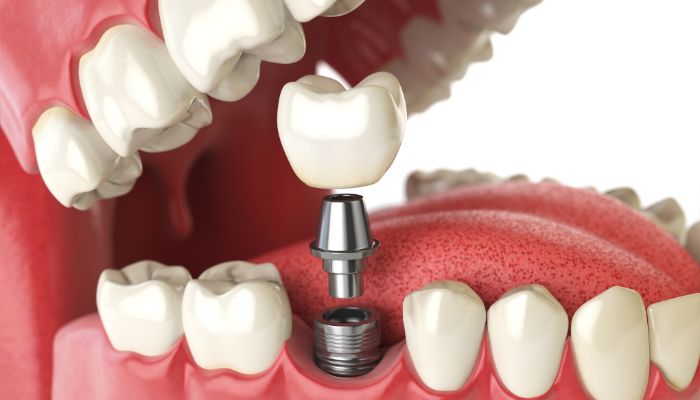
Dental implants are widely recognized as one of the most reliable solutions for replacing missing teeth. They are designed to be durable and long-lasting, but like any dental restoration, they may occasionally require maintenance. If you experience discomfort, damage, or functional issues, you may wonder whether dental implant repair is enough or if complete replacement is necessary.
Understanding the differences between repair and replacement can help you make informed decisions about your oral health.
Understanding Dental Implants Repair: When a Fix Is Enough
In many cases, dental implants repair can restore function and appearance without replacing the entire implant. Not every implant-related issue affects the titanium post that integrates with the jawbone.
Common situations where repair may be appropriate include:
- Loose abutments or connectors
- Chipped or cracked crowns
- Worn restoration components
- Minor bite alignment issues
- Cosmetic concerns affecting the visible crown
When the implant post remains healthy and securely fused to the bone, repairing or replacing only the damaged restoration components is often the least invasive option.
Signs You May Need Dental Implant Repair
Early detection of implant problems can prevent more extensive treatment. Some signs that may indicate the need for dental implant repair include:
- A loose feeling around the crown
- Difficulty chewing comfortably
- Visible cracks or chips
- Unusual sounds when biting
- Mild discomfort around the implant site
A dental evaluation can determine whether the issue involves the restoration or the implant structure itself.
When Implant Replacement Becomes Necessary
Although repairs are often successful, some situations require full implant replacement. This typically occurs when the implant’s foundation is compromised.
Potential reasons for replacement include:
- Severe implant fracture
- Significant bone loss around the implant
- Advanced infection affecting implant stability
- Failed osseointegration (lack of proper fusion with the jawbone)
- Long-term structural damage
In these cases, preserving the implant may no longer be possible, making replacement the safest long-term solution.
Comparing Repair and Replacement as Tooth Replacement Options
When evaluating tooth replacement options, it is important to consider several factors.
Repair Advantages
- Less invasive treatment
- Lower treatment costs
- Shorter recovery period
- Preservation of existing implant structures
Replacement Advantages
- Addresses severe structural issues
- Restores long-term stability
- Eliminates compromised components
- May improve overall implant success
The appropriate choice depends on the condition of the implant, surrounding bone health, and the extent of the damage.
How Dental Professionals Evaluate Missing Tooth Replacement Solutions
Every case is unique. Before recommending repair or replacement, dental professionals typically assess:
- Implant stability
- Bone density and support
- Gum tissue health
- Crown and abutment condition
- Overall oral health
These factors help determine the most effective missing tooth replacement strategy while protecting surrounding teeth and tissues.
Can Implant Problems Be Prevented?
While some complications are unavoidable, proper care can significantly reduce the risk of implant damage.
Helpful preventive measures include:
- Maintaining excellent oral hygiene
- Attending routine dental checkups
- Wearing a nightguard if you grind your teeth
- Avoiding excessive force when chewing hard objects
- Addressing gum disease promptly
Regular monitoring allows potential issues to be identified before they require extensive treatment.
Conclusion
Choosing between dental implant repair and replacement depends on the severity of the problem and the condition of the implant itself. Minor issues involving crowns, abutments, or cosmetic damage can often be repaired successfully. However, severe structural damage, infection, or implant failure may require complete replacement.
Understanding the available tooth replacement options and consulting with a qualified dental professional can help ensure the most appropriate solution for maintaining a healthy and functional smile. For anyone exploring missing tooth replacement treatments, early evaluation remains the key to preserving long-term oral health.