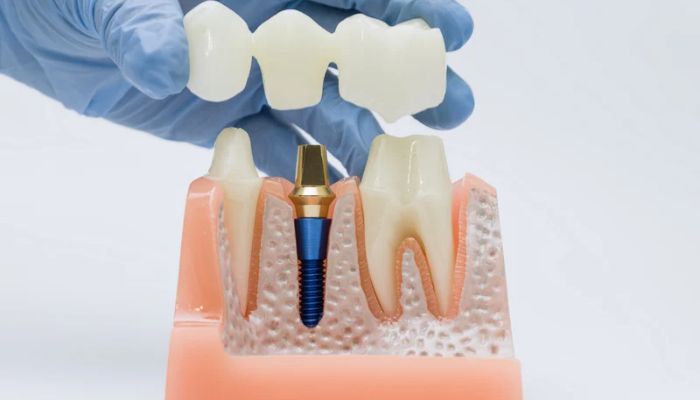
A damaged, cracked, heavily decayed, or weakened tooth may need more protection than a traditional filling can provide. A dental crown is a custom restoration that covers the visible portion of a tooth to help restore its shape, strength, function, and appearance.
If you are researching Dental Crowns Lewisville TX, understanding the available materials, treatment process, expected longevity, and costs can help you have a more informed conversation with your dentist. Hillcrest Dental in Lewisville, TX provides personalized restorative dental care and can evaluate whether a crown is appropriate for your specific tooth and oral health needs.
What Is a Dental Crown?
A dental crown, sometimes called a “cap,” is a custom-made restoration that covers a damaged or weakened tooth above the gumline. It can help protect remaining tooth structure while restoring normal biting and chewing function.
Crowns may be considered when a tooth has significant decay, a crack, a large filling, substantial wear, or has been weakened following root canal treatment.
Unlike a filling, which repairs a portion of a tooth, a crown covers much more of the tooth. A veneer primarily covers the front surface of a tooth for cosmetic purposes, while a crown is generally used when a tooth needs greater structural protection.
When Do You Need a Dental Crown?
A dentist may recommend a crown when a tooth has lost significant structure or needs additional reinforcement. Common situations include:
- Large or extensive cavities
- Cracked or fractured teeth
- Severely worn teeth
- Teeth weakened by large fillings
- Teeth that have undergone root canal treatment
- Certain cosmetic concerns involving tooth shape or appearance
- Replacing an old, damaged, or poorly fitting crown
A crown is not automatically the best treatment for every damaged tooth. Your dentist will consider how much healthy tooth structure remains and whether a more conservative restoration could provide adequate protection.
Types of Dental Crowns
Dental crowns are available in several materials. The right choice depends on factors such as the tooth’s location, bite forces, remaining tooth structure, oral health, and aesthetic preferences.
Porcelain or Ceramic Crowns
Porcelain and ceramic crowns can provide a natural-looking appearance because their color and translucency can be designed to resemble natural teeth. They may be considered for teeth where appearance is especially important.
Zirconia Crowns
Zirconia is a ceramic-based material known for its strength and durability. It can also provide an attractive appearance, making it an option for certain front or back teeth depending on the patient’s needs.
Porcelain-Fused-to-Metal Crowns
These crowns combine a metal structure with a porcelain exterior. They have traditionally been used to balance strength and appearance, although the specific aesthetic and functional considerations should be discussed with your dentist.
Metal Crowns
Metal crowns are highly durable and may be useful in situations where strength and resistance to chewing forces are priorities. Because they do not look like natural teeth, they may be less desirable when appearance is the main concern.
| Crown Material | Appearance | Strength | Common Consideration |
|---|---|---|---|
| Porcelain/Ceramic | Natural-looking | Good to high, depending on material | Often considered for visible teeth |
| Zirconia | Natural-looking | High | Strength and aesthetics |
| Porcelain-Fused-to-Metal | Natural-looking | High | Combines metal support with porcelain |
| Metal | Metallic | Very high | Durability and heavy chewing forces |
There is no single crown material that is best for every patient. Your dentist can recommend an option based on the individual tooth and your treatment goals.
Benefits of Dental Crowns
When appropriately recommended, a crown may help:
- Protect a weakened tooth from further structural damage
- Restore chewing and biting function
- Improve the shape and appearance of a damaged tooth
- Restore teeth after certain root canal procedures
- Cover extensive damage that may not be suitable for a filling
- Help preserve a natural tooth when it can be predictably restored
The goal is not simply to improve appearance. A properly planned restoration should also support the tooth’s function and surrounding oral health.
What to Expect During a Dental Crown Procedure
The exact process varies according to your tooth and treatment plan. Generally, crown treatment involves:
- Dental examination: The dentist evaluates the tooth and surrounding structures.
- Diagnostic imaging: X-rays or other diagnostic tools may be used when appropriate.
- Treatment planning: Your dentist discusses whether a crown is appropriate and explains available options.
- Tooth preparation: Damaged or decayed areas may be removed, and the tooth is shaped to accommodate the crown.
- Digital scan or impression: Records are taken to help create a properly fitting restoration.
- Temporary crown: A temporary restoration may be placed while the permanent crown is being fabricated.
- Permanent crown placement: The final crown is checked for fit, appearance, and bite before being secured.
- Adjustments: Minor bite adjustments may be made for comfort and function.
Hillcrest Dental’s current crown information describes a process that generally involves preparation followed by a later appointment for final crown placement, with laboratory fabrication between visits.
How Long Does a Dental Crown Take?
The total treatment time depends on the condition of the tooth, the type of restoration, laboratory requirements, and whether additional treatment is necessary.
Some crown cases can be completed in a relatively short timeframe, while others require multiple appointments. Hillcrest Dental’s current crown service information describes a typical two-appointment process for its conventional crown workflow.
If you are specifically looking for same-day dental crowns Lewisville options, ask the dental office whether that approach is appropriate and available for your particular case. Same-day treatment should never be assumed because clinical needs and restoration requirements vary.
How Long Do Dental Crowns Last?
A dental crown can provide many years of service, but its lifespan varies from patient to patient. Oral hygiene, bite forces, crown material, tooth grinding or clenching, diet, dental habits, and the quality of the crown’s fit can all affect longevity.
Regular dental examinations allow your dentist to monitor the crown and the tooth underneath it. A crown should not be considered permanent or guaranteed to last for a specific number of years.
How Much Do Dental Crowns Cost in Lewisville, TX?
The cost of dental crowns in Lewisville can vary considerably between patients. Factors may include:
- Crown material
- Location of the tooth
- Amount of tooth damage
- Need for additional treatment
- Laboratory and fabrication requirements
- Dental insurance benefits
- Individual treatment needs
Rather than relying on a general online price, an examination is the best way to determine what treatment you need and receive an individualized estimate.
If cost is a concern, ask your dental office about available payment or financing options and what your dental insurance may cover.
How to Care for a Dental Crown
A crowned tooth still requires daily care. To help maintain your crown and overall oral health:
- Brush twice daily with fluoride toothpaste.
- Clean between your teeth every day.
- Attend recommended dental examinations and cleanings.
- Avoid chewing hard objects or using your teeth as tools.
- Discuss grinding or clenching with your dentist.
- Contact your dentist if the crown becomes loose, damaged, painful, or uncomfortable.
Good oral hygiene is especially important because the natural tooth beneath and around the crown remains susceptible to dental problems.
Dental Crowns vs. Other Restorations
Crowns are only one type of dental restoration.
Fillings generally repair smaller areas of tooth damage.
Inlays and onlays can restore teeth with more damage than a typical filling but may preserve more natural tooth structure than a full crown in selected cases.
Veneers primarily address the visible front surface of a tooth and are generally associated with cosmetic treatment.
Dental implants replace missing teeth and may support a crown when a tooth is no longer present.
The best option depends on how much healthy tooth structure remains, the location of the tooth, its function, and your overall oral health.
Are Dental Crowns Right for You?
A crown may be appropriate if you have a significantly damaged, cracked, weakened, or heavily restored tooth. However, symptoms alone cannot determine whether you need a crown.
A dental examination can help identify the cause of the problem and determine whether a crown, filling, inlay/onlay, root canal treatment, extraction, or another restoration is more appropriate.
If you have a damaged tooth in Lewisville, Hillcrest Dental can evaluate your situation and explain your restorative options.
Why Choose Hillcrest Dental for Dental Crowns in Lewisville, TX?
Choosing a dental office for restorative treatment means finding a practice that explains your options clearly and develops treatment around your individual needs.
Hillcrest Dental provides comprehensive dental care in Lewisville and serves patients in Castle Hills and nearby communities. The practice emphasizes personalized treatment planning, patient education, restorative care, and clear communication about treatment options.
For patients considering dental crowns in Lewisville TX, an evaluation can help you understand the condition of your tooth, the available restoration choices, and what to expect before treatment begins.
What is a dental crown?
A dental crown is a custom restoration that covers the visible portion of a damaged or weakened tooth. It can help restore the tooth’s shape, function, and appearance while protecting remaining tooth structure.
How long does it take to get a dental crown?
Treatment time varies. Some cases require multiple appointments because the tooth must be prepared and the permanent crown fabricated separately. The timeline also depends on the patient’s oral health and type of restoration.
Can a crown be placed after a root canal?
Yes. A crown may be recommended after certain root canal treatments when the remaining tooth structure needs additional protection. Your dentist will determine whether a crown or another restoration is appropriate.
What type of dental crown is best?
There is no universally best crown material. Porcelain, ceramic, zirconia, porcelain-fused-to-metal, and metal crowns each have different characteristics. The best choice depends on the tooth, bite, oral health, and aesthetic goals.
How long do dental crowns last?
Crown longevity varies based on the material, oral hygiene, bite forces, grinding or clenching, diet, and regular dental care. A crown can last for many years, but no dentist can guarantee a specific lifespan.
Are dental crowns painful?
The crown procedure is performed using appropriate dental anesthesia when needed. Some patients may experience temporary sensitivity or gum tenderness afterward. Persistent or significant pain should be discussed with a dentist..
How much do dental crowns cost in Lewisville, TX?
There is no single price that applies to every patient. Material, tooth location, damage, additional procedures, insurance coverage, and laboratory requirements can all affect the final cost. A dental examination is needed for an individualized estimate.
When should I replace an old dental crown?
A crown may need evaluation or replacement if it becomes damaged, loose, uncomfortable, poorly fitting, or develops problems around the underlying tooth. Regular dental examinations can help identify issues before they become more serious.
Schedule a Dental Crown Consultation in Lewisville
A cracked, weakened, severely decayed, or heavily restored tooth deserves professional evaluation. If you are considering tooth crowns in Lewisville TX, Hillcrest Dental can assess your tooth and explain which restorative options may be appropriate.
Schedule a consultation with Hillcrest Dental in Lewisville to discuss your concerns, treatment choices, expected timeline, and personalized cost estimate.
Medical disclaimer: This article is for general educational purposes and does not replace an examination, diagnosis, or individualized treatment recommendation from a qualified dental professional. If you have severe tooth pain, facial swelling, signs of infection, or a broken tooth, contact a dental professional promptly.