
We take care of
your health

Lorem ipsum dolor sit amet, consectetur adipiscing elit. 

Dental Crowns Lewisville TX: Types, Benefits, and What to Expect

Dental Crowns Lewisville TX: Types, Benefits, and What to Expect

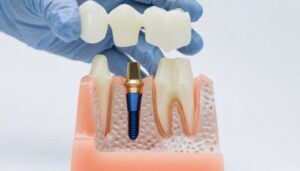
A damaged, cracked, heavily decayed, or weakened tooth may need more protection than a traditional filling can provide. A dental crown is a custom restoration that covers the visible portion of a tooth to help restore its shape, strength, function, and appearance. If you are researching Dental Crowns Lewisville TX, understanding the available materials, treatment process, expected longevity, and costs can help you have a more informed conversation with your dentist. Hillcrest Dental in Lewisville, TX provides personalized restorative dental care and can evaluate whether a crown is appropriate for your specific tooth and oral health needs. What Is a Dental Crown? A dental crown, sometimes called a “cap,” is a custom-made restoration that covers a damaged or weakened tooth above the gumline. It can help protect remaining tooth structure while restoring normal biting and chewing function. Crowns may be considered when a tooth has significant decay, a crack, a large filling, substantial wear, or has been weakened following root canal treatment. Unlike a filling, which repairs a portion of a tooth, a crown covers much more of the tooth. A veneer primarily covers the front surface of a tooth for cosmetic purposes, while a crown is generally used when a tooth needs greater structural protection. When Do You Need a Dental Crown? A dentist may recommend a crown when a tooth has lost significant structure or needs additional reinforcement. Common situations include: A crown is not automatically the best treatment for every damaged tooth. Your dentist will consider how much healthy tooth structure remains and whether a more conservative restoration could provide adequate protection. Types of Dental Crowns Dental crowns are available in several materials. The right choice depends on factors such as the tooth’s location, bite forces, remaining tooth structure, oral health, and aesthetic preferences. Porcelain or Ceramic Crowns Porcelain and ceramic crowns can provide a natural-looking appearance because their color and translucency can be designed to resemble natural teeth. They may be considered for teeth where appearance is especially important. Zirconia Crowns Zirconia is a ceramic-based material known for its strength and durability. It can also provide an attractive appearance, making it an option for certain front or back teeth depending on the patient’s needs. Porcelain-Fused-to-Metal Crowns These crowns combine a metal structure with a porcelain exterior. They have traditionally been used to balance strength and appearance, although the specific aesthetic and functional considerations should be discussed with your dentist. Metal Crowns Metal crowns are highly durable and may be useful in situations where strength and resistance to chewing forces are priorities. Because they do not look like natural teeth, they may be less desirable when appearance is the main concern. Crown Material Appearance Strength Common Consideration Porcelain/Ceramic Natural-looking Good to high, depending on material Often considered for visible teeth Zirconia Natural-looking High Strength and aesthetics Porcelain-Fused-to-Metal Natural-looking High Combines metal support with porcelain Metal Metallic Very high Durability and heavy chewing forces There is no single crown material that is best for every patient. Your dentist can recommend an option based on the individual tooth and your treatment goals. Benefits of Dental Crowns When appropriately recommended, a crown may help: The goal is not simply to improve appearance. A properly planned restoration should also support the tooth’s function and surrounding oral health. What to Expect During a Dental Crown Procedure The exact process varies according to your tooth and treatment plan. Generally, crown treatment involves: Hillcrest Dental’s current crown information describes a process that generally involves preparation followed by a later appointment for final crown placement, with laboratory fabrication between visits. How Long Does a Dental Crown Take? The total treatment time depends on the condition of the tooth, the type of restoration, laboratory requirements, and whether additional treatment is necessary. Some crown cases can be completed in a relatively short timeframe, while others require multiple appointments. Hillcrest Dental’s current crown service information describes a typical two-appointment process for its conventional crown workflow. If you are specifically looking for same-day dental crowns Lewisville options, ask the dental office whether that approach is appropriate and available for your particular case. Same-day treatment should never be assumed because clinical needs and restoration requirements vary. How Long Do Dental Crowns Last? A dental crown can provide many years of service, but its lifespan varies from patient to patient. Oral hygiene, bite forces, crown material, tooth grinding or clenching, diet, dental habits, and the quality of the crown’s fit can all affect longevity. Regular dental examinations allow your dentist to monitor the crown and the tooth underneath it. A crown should not be considered permanent or guaranteed to last for a specific number of years. How Much Do Dental Crowns Cost in Lewisville, TX? The cost of dental crowns in Lewisville can vary considerably between patients. Factors may include: Rather than relying on a general online price, an examination is the best way to determine what treatment you need and receive an individualized estimate. If cost is a concern, ask your dental office about available payment or financing options and what your dental insurance may cover. How to Care for a Dental Crown A crowned tooth still requires daily care. To help maintain your crown and overall oral health: Good oral hygiene is especially important because the natural tooth beneath and around the crown remains susceptible to dental problems. Dental Crowns vs. Other Restorations Crowns are only one type of dental restoration. Fillings generally repair smaller areas of tooth damage. Inlays and onlays can restore teeth with more damage than a typical filling but may preserve more natural tooth structure than a full crown in selected cases. Veneers primarily address the visible front surface of a tooth and are generally associated with cosmetic treatment. Dental implants replace missing teeth and may support a crown when a tooth is no longer present. The best option depends on how much healthy tooth structure remains, the location of the tooth, its function, and your overall oral health. Are Dental Crowns Right for


Read More »
Dental Crowns

What is a Crown in Dentistry? Exploring Its Purpose and Benefits

A dental crown is a common restorative treatment in modern dentistry, designed to protect and restore damaged teeth. Whether due to decay, trauma, or cosmetic reasons, dental crowns provide a solution that strengthens teeth while improving their appearance. In this article, we will explore what a dental crown is, its purpose, and the benefits it offers to patients. What is a Dental Crown? A dental crown is a cap placed over a damaged or weakened tooth to restore its shape, size, strength, and appearance. Crowns are custom-made to fit over an individual’s tooth, mimicking the natural look and feel of a real tooth. Crowns can be made from various materials, including porcelain, ceramic, metal, or a combination of these. Dentists typically recommend crowns for patients whose teeth are too damaged for a filling but not in need of extraction. Dental crowns cover the entire visible portion of the tooth above the gum line, acting as a protective shield to prevent further damage. Purpose of a Dental Crown Crowns serve several essential purposes in dentistry, ranging from protection to cosmetic enhancement. Here’s a breakdown of their key roles: 1. Restoring a Damaged Tooth One of the primary purposes of a crown is to restore the strength and structure of a tooth that has been damaged due to decay, trauma, or wear. Teeth with large cavities or those that have undergone a root canal may become fragile, making them prone to cracking. A crown reinforces the tooth, enabling it to function normally again. 2. Protecting a Weak Tooth When a tooth is weak or worn down, it may not withstand the pressure of biting and chewing. A crown acts as a protective layer, absorbing the forces and safeguarding the natural tooth underneath from further damage. 3. Improving Aesthetic Appearance Crowns are also used for cosmetic purposes, such as covering discolored or misshapen teeth. Porcelain or ceramic crowns are often preferred for their natural appearance, blending seamlessly with the surrounding teeth to create a more aesthetically pleasing smile. 4. Supporting Dental Bridges A dental crown is commonly used to support a dental bridge, which replaces missing teeth. Crowns are placed on the teeth adjacent to the gap, anchoring the bridge in place and ensuring stability. 5. Covering a Dental Implant For patients who have lost a tooth, a dental crown can be placed on top of a dental implant. The implant acts as a root substitute, and the crown provides the visible portion of the tooth for proper function and appearance. Types of Dental Crowns There are several types of dental crowns, each with its own advantages: 1. Porcelain or Ceramic Crowns These crowns are popular for their natural appearance and are ideal for front teeth. Porcelain crowns are biocompatible, meaning they do not cause allergic reactions, making them a safe option for most patients. 2. Metal Crowns Metal crowns, usually made of gold, platinum, or alloys, are known for their durability and strength. They are often used on molars where the bite pressure is greatest. 3. Porcelain-Fused-to-Metal (PFM) Crowns This type combines the aesthetic benefits of porcelain with the strength of metal. While it provides a natural appearance, the metal underneath can sometimes be visible along the gum line, making it less ideal for front teeth. 4. Zirconia Crowns Zirconia is a relatively new material in dentistry, offering both strength and aesthetics. Zirconia crowns are highly durable and can withstand heavy chewing forces, making them suitable for both front and back teeth. Benefits of Dental Crowns Dental crowns offer numerous benefits that go beyond simple tooth restoration. Here are the top advantages: 1. Protection from Further Damage Crowns provide a protective covering that helps prevent further decay, wear, or fractures, especially for teeth that are already weakened. 2. Improved Appearance Crowns can significantly improve the appearance of damaged or discolored teeth, resulting in a more attractive smile. Modern materials like porcelain and zirconia are designed to match the natural color and translucency of teeth, offering a seamless look. 3. Durability Crowns, particularly those made from metal or zirconia, are incredibly durable and can last many years with proper care. They can withstand the normal forces of biting and chewing, making them a long-lasting solution. 4. Enhanced Functionality By restoring the shape and size of a tooth, crowns help patients regain full function, allowing them to chew and speak normally. This is especially important for back teeth, which play a crucial role in grinding food. 5. Prevent Tooth Loss In some cases, crowns can prevent the need for tooth extraction by providing essential support and protection to a severely damaged tooth. Conclusion A dental crown is an effective and versatile solution for restoring and protecting damaged teeth. Whether you need a crown to improve functionality or enhance your smile, the benefits of this treatment are substantial. With different materials available, patients can choose the option that best suits their needs, ensuring both aesthetic and practical advantages. If you are experiencing tooth damage or decay, consult your dentist to see if a crown could be the right option for you. FAQ 1. How long do dental crowns last?Dental crowns can last anywhere from 5 to 15 years or more, depending on the material used and how well you care for them. 2. Are dental crowns painful to install?The procedure is typically painless, as dentists use local anesthesia to numb the area. Some sensitivity may occur afterward, but it is usually mild. 3. Can a dental crown fall off?While rare, crowns can become loose or fall off due to adhesive failure or damage. If this happens, visit your dentist promptly to have it re-cemented or replaced. 4. Are crowns covered by insurance?Dental insurance may cover a portion of the cost of a crown, particularly if it is necessary for restorative purposes. It’s best to check with your provider for specific coverage details.

Read More »

Recent Posts

Root Canal Treatment Lewisville Tx

Lorem ipsumLorem ipsumLorem ipsumLorem ipsum

Root Canal Treatment Lewisville Tx

Lorem ipsumLorem ipsumLorem ipsumLorem ipsum

Book An Appointment

Are you a patient of our practice without dental insurance? Then join our wellness club, taking care of your preventive care with a monthly subscription, and save money today! Click below to get your monthly preventive care for a low monthly fee!monthly subscription, and save money today! Click below to get your monthly preventive care for a low monthly fee!

(972) 833-4700

Scroll to Top
Skip to content