
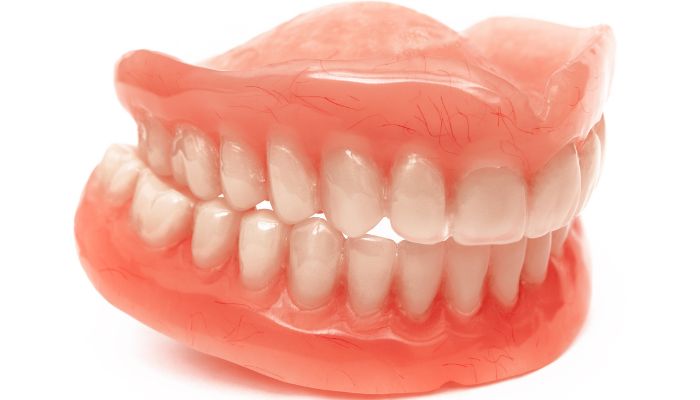
If you wear dentures, you may wonder, how long do dentures last before you need a new set? Dentures are designed to be durable, but they are not permanent. With proper care, many dentures can last several years. However, the right time for replacement depends on the condition of the dentures, changes in your gums and jawbone, how well they fit, and how comfortably you can eat and speak.
The American College of Prosthodontists recommends that removable dentures be evaluated for replacement when they have been in use for more than five years or when problems such as poor fit, chronic irritation, significant wear, cracks, or loss of function develop.
Knowing the warning signs can help you avoid continuing to use worn or ill-fitting dentures that no longer support your oral health and daily comfort.
How Long Do Dentures Last?
There is no single lifespan that applies to every patient. In general, dentures can last several years, but they may need adjustment, relining, repair, or replacement sooner if their condition or fit changes.
So, how long do full dentures last compared with partial dentures? Both complete and partial dentures can require replacement over time. Full dentures replace an entire arch of teeth, while partial dentures replace some missing teeth and may also depend on remaining natural teeth for support.
The American College of Prosthodontists notes that dentures are medical devices with limited lifespans and should not be considered permanent restorations. Natural changes in the tissues beneath a denture and normal wear of the denture itself can eventually affect its fit and function.
This means how long do dentures last for you personally may be different from another patient’s experience.
What Factors Affect How Long Dentures Last?
Several factors can affect the lifespan of dentures.
1. Denture Material and Quality
The materials used to make the denture can affect durability. The design and quality of the denture may also influence how it handles everyday chewing and use.
2. Daily Wear
Dentures experience repeated pressure while you eat, speak, and chew. Over time, denture teeth can become worn and the base can develop damage.
3. Cleaning and Maintenance
Good denture care can help keep dentures clean and reduce unnecessary wear. Dentures should be cleaned according to your dental professional’s instructions.
4. Changes in the Gums and Jawbone
Your mouth naturally changes over time. The gums and underlying bone can shrink or change shape, which may cause dentures to become loose even when the dentures themselves are not visibly damaged.
5. Denture Fit
A denture that once fit well may eventually become an ill-fitting denture. A poor fit can affect chewing, speaking, comfort, and retention.
6. Oral Health
Changes in your remaining natural teeth, gums, or oral tissues can affect how a partial or complete denture functions.
7. Accidental Damage
Dropping dentures or exposing them to inappropriate temperatures can cause cracks, warping, or other damage. Hot water, for example, can change the shape of some dentures.
8. Regular Dental Checkups
Regular dental evaluations allow a dentist to assess the condition of your dentures and your oral tissues. Sometimes replacement is recommended because of changes that are not obvious when you look at the denture yourself.
10 Signs It’s Time to Replace Your Dentures
Wondering about the signs you need new dentures? Watch for these common warning signs.
1. Your Dentures Feel Loose
If your dentures move more than they used to, the fit may have changed. Natural changes in your gums and jawbone can contribute to looseness.
2. Dentures Slip While Talking or Eating
Frequent movement or slipping can make everyday activities frustrating. It may also indicate that your dentures no longer provide adequate retention.
3. You Have Difficulty Chewing
Worn denture teeth or an unstable fit can make it harder to chew comfortably. If foods that were previously easy to eat have become difficult, schedule an evaluation.
4. Your Gums Are Sore or Irritated
Persistent sore spots, irritation, or inflammation should not simply be ignored. Chronic irritation can be a reason for professional denture evaluation and possible replacement.
5. Your Dentures Have Cracks or Visible Damage
Cracks, broken areas, missing denture teeth, or other significant damage can affect stability and function. Depending on the problem, repair may be possible, but some damage requires replacement.
6. Your Facial Appearance Has Changed
Over time, worn denture teeth or changes in the relationship between the dentures and your oral tissues can affect facial support and appearance.
7. Your Dentures Look Noticeably Worn
Denture teeth can become worn with regular use. Significant wear may affect chewing and the way your upper and lower dentures come together.
8. Your Speech Has Changed
Clicking, slipping, or changes in how your dentures sit can sometimes affect speech. If your dentures suddenly feel different when you talk, have their fit evaluated.
9. Denture Adhesive Is No Longer Enough
If you increasingly depend on adhesive to keep your dentures in place, the underlying fit may need attention. The ACP specifically identifies frequent or necessary adhesive use as a reason to evaluate dentures for replacement.
10. Your Dentures Are Several Years Old
Age alone does not automatically mean your dentures must be replaced. However, if your dentures have been in use for more than five years, they should be evaluated to determine whether they still provide appropriate fit, function, support, and comfort.
Can Dentures Be Repaired Instead of Replaced?
Sometimes, yes. Denture repair vs. replacement depends on the type and extent of the problem.
A dentist may recommend repair when the damage is limited and the existing denture still fits properly. A reline or rebase may also help in certain situations when the denture structure remains suitable but the fit has changed.
Replacement may be more appropriate when the denture is significantly worn, repeatedly damaged, poorly fitting, unstable, or no longer provides adequate function.
Do not try to repair broken dentures with household glue or DIY repair products. An improper repair can damage the denture or make professional correction more difficult.
How to Make Your Dentures Last Longer
Proper denture care can help maintain your dentures and support good oral hygiene.
- Clean your dentures regularly according to your dentist’s instructions.
- Handle them carefully over a soft surface or sink filled with some water to reduce the risk of breakage if dropped.
- Follow your dental professional’s instructions about when to remove your dentures.
- Store dentures as recommended when they are not being worn.
- Avoid hot water because it can cause some dentures to change shape.
- Clean your gums, tongue, palate, and any remaining natural teeth as recommended.
- Have your dentures and mouth evaluated regularly.
- Contact your dentist if your dentures become uncomfortable, loose, cracked, or difficult to use.
What Happens If You Keep Wearing Old Dentures?
Continuing to wear worn or poorly fitting dentures can make everyday activities more difficult.
Possible problems include:
- Poor chewing ability
- Gum irritation or sore spots
- Discomfort
- Denture movement
- Changes in speech
- Difficulty eating certain foods
- Reduced stability
- Changes in bite and oral function
Natural changes in the gums and underlying bone can gradually affect denture fit. NHS guidance also advises patients to seek dental care when dentures slip, click during speech, become uncomfortable, or show visible wear.
If your dentures no longer fit comfortably, do not assume that increasing adhesive is the only solution. A dental professional can determine whether an adjustment, reline, repair, or denture replacement is appropriate.
How Often Should You Have Your Dentures Checked?
There is no universal schedule that applies to every denture wearer. Your dentist can recommend an appropriate recall schedule based on your oral health, denture type, remaining teeth, and individual needs.
Regular evaluations are important because your mouth can change even when your dentures still look normal. Your dentist can assess:
- Denture fit and stability
- Condition of the denture base
- Wear of the denture teeth
- Gum and oral tissue health
- Remaining natural teeth
- Bite and chewing function
- Whether repair, relining, or replacement is appropriate
The ACP recommends regular professional examination of removable dentures and evaluation for replacement when specific problems develop or when the prosthesis has been in function for more than five years.
Frequently Asked Questions About Denture Replacement
How long do dentures normally last?
Dentures commonly last several years, but there is no fixed lifespan for every patient. Fit, wear, materials, oral changes, damage, and denture care all affect longevity.
How often should dentures be replaced?
Replacement is based on condition and fit rather than age alone. The American College of Prosthodontists recommends evaluating removable dentures for replacement when they have been in function for more than five years or when significant problems occur.
Can dentures last 10 years?
Some dentures may remain usable for 10 years, but that does not mean they are appropriate for every patient for that long. A denture can become worn or poorly fitting before then because your mouth changes over time.
How do I know when I need new dentures?
Common signs include looseness, slipping, difficulty chewing, sore gums, visible wear, cracks, speech changes, and increased dependence on adhesive.
Can old dentures be refitted?
Sometimes. A dentist may recommend a reline or rebase when the denture remains structurally suitable but the fit has changed. In other cases, a new denture may provide a better solution.
Is it better to repair or replace dentures?
It depends on the problem. Minor damage may sometimes be repaired, while severely worn, repeatedly damaged, unstable, or poorly fitting dentures may be better replaced.
Do dentures become loose over time?
Yes. Changes in the gums and underlying jawbone can alter the shape of the tissues supporting the dentures. This can gradually reduce the fit and stability of a denture.
What happens if I wear dentures that no longer fit?
Poorly fitting dentures may cause discomfort, irritation, difficulty chewing, movement, and speech problems. A dental professional should evaluate persistent problems rather than relying only on adhesive or continuing to wear uncomfortable dentures.
Conclusion
So, how long do dentures last? The answer depends on the individual. Many dentures can remain functional for several years, but natural changes in your mouth and normal denture wear can eventually affect their fit and performance.
Pay attention to warning signs such as loose dentures, slipping, difficulty chewing, sore gums, visible damage, significant wear, speech changes, and increased reliance on adhesive. These are important signs dentures need replacing or professional evaluation.
If your dentures are uncomfortable, damaged, loose, or no longer fit the way they once did, consider scheduling a dental evaluation. Hillcrest Dental in Lewisville, Texas, can assess your dentures and oral health and help determine whether adjustment, repair, relining, or new dentures may be appropriate for your needs.