
A dental emergency can happen when you least expect it. Whether it’s a severe toothache, a knocked-out tooth, a broken crown, or sudden swelling, knowing what to do before you reach the dentist can make a significant difference in protecting your oral health. Taking the right steps immediately after a dental emergency may reduce pain, prevent further damage, and even increase the chances of saving your tooth.
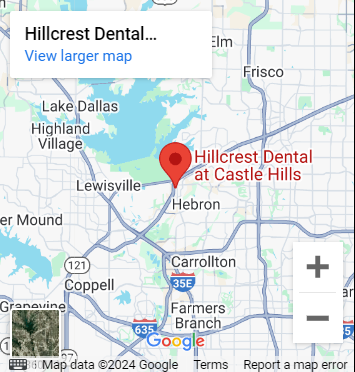
If you’re looking for prompt and compassionate emergency dental care, Hillcrest Dental is here to help. Our experienced team provides same-day emergency appointments whenever possible, ensuring you receive the treatment you need without unnecessary delays.
What Is Considered a Dental Emergency?
Not every dental problem requires immediate treatment, but certain situations should never be ignored. Common dental emergencies include:
- Severe or persistent toothache
- Knocked-out (avulsed) tooth
- Chipped, cracked, or broken tooth
- Loose or displaced permanent tooth
- Lost filling or crown
- Dental abscess or swelling
- Bleeding that doesn’t stop
- Injury to the gums, lips, or tongue
- Broken dentures or dental restorations causing pain
If you’re experiencing intense pain, uncontrolled bleeding, facial swelling, or signs of infection, contact an emergency dentist immediately.
Stay Calm and Assess the Situation
The first step during any dental emergency is to remain as calm as possible. Panicking may make it harder to think clearly and respond appropriately.
Take a moment to evaluate:
- Where the pain is coming from
- Whether there is bleeding
- If a tooth has been damaged or knocked out
- Whether swelling is increasing
- If you have difficulty swallowing or breathing
These details will also help your dentist understand the severity of your condition when you call the office.
What to Do for Common Dental Emergencies
Severe Toothache
A persistent toothache often signals an infection, cavity, cracked tooth, or gum disease.
Before your appointment:
- Rinse your mouth with warm salt water.
- Gently floss around the painful tooth to remove trapped food.
- Take an over-the-counter pain reliever as directed.
- Apply a cold compress to the outside of your cheek if swelling is present.
- Avoid placing aspirin directly on the gums, as it can burn soft tissue.
Never ignore severe dental pain, especially if accompanied by swelling or fever.
Knocked-Out Tooth
A knocked-out permanent tooth requires immediate attention. Acting within 30 to 60 minutes offers the best chance of saving it.
Follow these steps:
- Pick up the tooth by the crown, not the root.
- Rinse it gently with clean water if dirty.
- Do not scrub or remove attached tissue.
- If possible, place the tooth back into its socket.
- If reinsertion isn’t possible, keep it in milk or a tooth preservation solution.
- Visit your emergency dentist immediately.
Quick action can dramatically improve the chances of successful reimplantation.
Chipped or Broken Tooth
A chipped or fractured tooth may expose sensitive nerves and increase the risk of infection.
Before visiting the dentist:
- Rinse with warm water.
- Save any broken pieces if possible.
- Apply gauze if bleeding occurs.
- Use a cold compress to reduce swelling.
- Avoid chewing on the affected side.
Even small fractures should be evaluated because they can worsen over time.
Lost Crown or Filling
Losing a restoration exposes the tooth to sensitivity and additional damage.
Until your appointment:
- Keep the crown if you still have it.
- Avoid chewing sticky or hard foods.
- Cover the exposed tooth with temporary dental cement available at pharmacies if recommended.
- Never attempt to permanently glue the crown back yourself.
Dental Abscess
A dental abscess is a serious bacterial infection that requires prompt professional treatment.
Symptoms may include:
- Severe throbbing pain
- Swollen gums
- Facial swelling
- Fever
- Bad taste in the mouth
- Pus drainage
While waiting for your appointment:
- Rinse gently with warm salt water several times daily.
- Stay hydrated.
- Avoid applying heat to the swollen area.
- Seek emergency care immediately if swelling affects breathing or swallowing.
Ignoring an abscess can allow the infection to spread to other parts of the body.
Managing Pain Before Your Appointment
Pain management can help you stay comfortable until you’re seen by the dentist.
Helpful tips include:
- Use over-the-counter pain medication according to instructions.
- Apply a cold compress for 15–20 minutes at a time.
- Eat soft foods if you’re able to eat.
- Avoid extremely hot or cold beverages.
- Keep your head elevated when resting to reduce throbbing.
These measures provide temporary relief but should never replace professional treatment.
Foods to Avoid During a Dental Emergency
Until your emergency visit, avoid foods that could worsen the injury, including:
- Hard candies
- Ice
- Nuts
- Popcorn
- Sticky caramel
- Chewy candy
- Crunchy chips
- Extremely hot foods
- Very cold drinks
Instead, choose soft foods such as yogurt, mashed potatoes, soup, scrambled eggs, smoothies, and applesauce.
What to Bring to Your Emergency Dental Appointment
Being prepared can help your visit go smoothly.
Bring:
- Your dental insurance card (if applicable)
- Current medications list
- Medical history updates
- Any broken tooth fragments
- Your knocked-out tooth stored properly
- Your dental crown or filling if it came out
Providing complete information allows your dentist to recommend the most appropriate treatment.
When Should You Go to the Emergency Room?
While most dental emergencies are best treated by a dentist, certain situations require immediate hospital care.
Visit the emergency room if you experience:
- Difficulty breathing
- Difficulty swallowing
- Uncontrolled bleeding
- Severe facial trauma
- Jaw fractures
- Rapidly spreading facial swelling
- High fever with facial swelling
After receiving emergency medical stabilization, you’ll still need follow-up dental treatment.
Why Choose Hillcrest Dental for Emergency Care?
When you’re in pain, you need fast, reliable care from a team you can trust. At Hillcrest Dental, we understand that dental emergencies are stressful, which is why we prioritize urgent cases and work to provide same-day appointments whenever possible.
Patients choose Hillcrest Dental because we offer:
- Prompt emergency evaluations
- Experienced and compassionate dental professionals
- Advanced digital diagnostic technology
- Comfortable, patient-focused care
- Comprehensive treatment under one roof
- Personalized treatment plans for long-term oral health
Whether you’re dealing with a painful toothache, broken restoration, dental trauma, or infection, our team is committed to restoring your comfort and protecting your smile.
Preventing Future Dental Emergencies
Although accidents can’t always be prevented, many dental emergencies are avoidable.
Protect your smile by:
- Visiting your dentist regularly for checkups.
- Wearing a mouthguard during sports.
- Avoiding chewing ice or hard objects.
- Treating cavities early.
- Maintaining excellent oral hygiene.
- Replacing worn dental restorations before they fail.
Preventive care remains the most effective way to reduce unexpected dental problems.
Final Thoughts
Dental emergencies can be frightening, but knowing how to respond before your appointment can make a meaningful difference in your recovery. Quick action, proper first aid, and prompt professional care often help preserve teeth, reduce pain, and prevent serious complications.
If you or a loved one experiences a dental emergency, don’t wait for the problem to worsen. Contact Hillcrest Dental right away. Our dedicated team is ready to provide fast, compassionate, and expert emergency dental care to help you get back to smiling comfortably as soon as possible.