
We take care of
your health

Lorem ipsum dolor sit amet, consectetur adipiscing elit. 

Emergency Dentistry for Broken & Knocked-Out Teeth

Emergency Dentistry for Broken, Chipped, and Knocked-Out Teeth

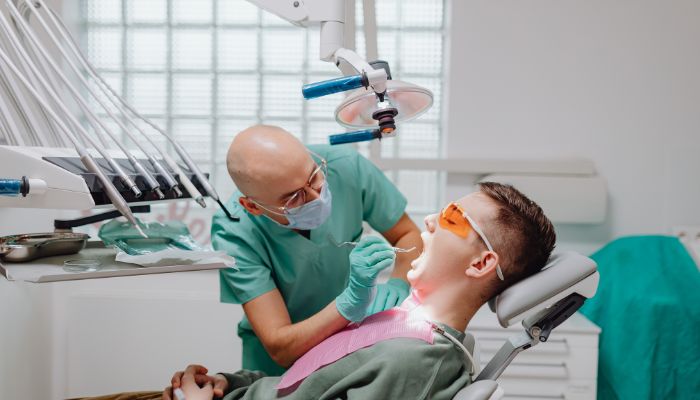
Dental emergencies can happen without warning. A sudden fall, sports injury, biting into hard food, or a vehicle accident may leave someone with a broken, chipped, or knocked-out tooth. In these situations, seeking immediate emergency dentistry care is essential to reduce pain, prevent infection, and improve the chances of saving the tooth. Understanding how dental emergencies are treated and what actions to take before reaching a dentist can make a significant difference in long-term oral health outcomes. What Qualifies as a Dental Emergency? A dental emergency involves any condition that requires immediate professional attention to stop bleeding, relieve severe pain, or save a tooth. Common examples include: Modern emergency dentistry focuses on quick diagnosis and fast treatment to minimize complications and restore oral function as soon as possible. Immediate Steps for a Knocked-Out Tooth A knocked-out tooth is one of the most urgent situations in dentistry. Acting quickly within the first 30 to 60 minutes may increase the likelihood of saving the tooth. Here are the recommended first-aid steps: Emergency dental professionals may use splinting techniques to stabilize the tooth and monitor healing over time. How Dentists Treat Broken or Chipped Teeth Treatment depends on the severity of the damage. Small chips may only require cosmetic bonding, while deep fractures could need more advanced restorative procedures. Emergency Cosmetic Dentistry for Visible Damage Front tooth injuries often affect confidence as well as oral function. In many cases, emergency cosmetic dentistry procedures are used to restore the appearance of damaged teeth quickly. Common treatments include: These procedures help restore the natural shape, color, and strength of the tooth while protecting it from further damage. Emergency Pediatric Dentistry for Children’s Dental Injuries Children are especially vulnerable to dental injuries during sports, playground activities, or accidental falls. Emergency pediatric dentistry focuses on treating dental trauma in infants, children, and teenagers with age-appropriate care techniques. Pediatric emergency dentists often handle: Parents should seek immediate evaluation even if the injury appears minor, as hidden damage to developing teeth can occur beneath the gums. Understanding Medical Emergencies in Dentistry Some oral health situations go beyond standard tooth damage and may become serious health concerns. Certain infections, swelling, or trauma can develop into medical emergencies in dentistry if left untreated. Warning signs include: These conditions may require both emergency dental care and medical intervention to prevent complications. Preventing Future Dental Emergencies Although accidents cannot always be avoided, several preventive measures can lower the risk of dental injuries: Preventive care remains one of the most effective ways to reduce the need for emergency treatment. Final Thoughts Dental injuries involving broken, chipped, or knocked-out teeth require immediate attention to protect both oral health and overall well-being. Timely emergency dentistry treatment can often save teeth, reduce pain, and prevent long-term complications. Whether the situation involves children, cosmetic concerns, or serious oral infections, understanding the basics of emergency care helps patients respond quickly and confidently when accidents happen.

Read More »
emergency dentist lewisville, TX

Are Emergency Dentists Expensive? A Complete Cost Guide for Patients

Dental emergencies can happen without warning—severe tooth pain, a broken tooth, swelling, or an infection that can’t wait. When faced with sudden discomfort, many people ask the same question: are emergency dentists expensive? The short answer is it depends. The cost of emergency dental care varies based on several important factors, and understanding them can help you make informed decisions during a stressful situation. What Is Considered Emergency Dental Care? Emergency dental care focuses on treating urgent oral health issues that require immediate attention. These may include intense toothaches, knocked-out teeth, cracked or broken teeth, infections, abscesses, bleeding gums after trauma, or swelling that affects breathing or swallowing. Emergency dentists prioritize pain relief, infection control, and stabilizing the problem until full treatment can be completed. Why Emergency Dental Visits Often Cost More Emergency dental services may seem expensive compared to routine visits because of their urgency and complexity. Dentists often need to provide same-day appointments, use advanced diagnostic tools like X-rays, and perform immediate procedures to prevent complications. Additionally, emergency visits may occur outside normal business hours, which can increase operational costs for clinics. Average Cost of an Emergency Dental Visit The cost of seeing an emergency dentist typically includes an exam fee and any required treatment. An emergency consultation alone may cost more than a standard dental checkup. Treatments such as fillings, extractions, root canals, or temporary restorations can significantly increase the total bill. Simple pain relief or medication may be less expensive, while infections or trauma-related cases usually cost more due to their severity. Does Dental Insurance Cover Emergency Dentistry? Many dental insurance plans provide partial coverage for emergency dental care, but coverage levels vary. Preventive and basic emergency treatments are often covered at a higher percentage than major procedures. However, deductibles, waiting periods, and annual limits can still affect out-of-pocket costs. Patients without insurance typically pay the full cost, which can make emergency dental visits feel expensive. Are Emergency Dentists More Expensive Than Regular Dentists? Emergency dentists are not necessarily more expensive by default, but the treatments they provide often are. A routine dentist may charge similar rates for the same procedure if performed during regular hours. The difference lies in urgency—emergency cases often require immediate diagnostics, rapid decision-making, and temporary or complex solutions, all of which influence pricing. How to Manage Emergency Dental Costs If you’re worried about affordability, there are ways to manage emergency dental expenses. Some clinics offer payment plans, financing options, or transparent upfront pricing. Dental discount plans, community clinics, and dental schools may provide lower-cost emergency services. Acting early can also help—delaying treatment may lead to complications that increase costs later. Is Emergency Dental Care Worth the Cost? While emergency dental care may seem costly, it often prevents more serious health issues and higher expenses in the future. Untreated infections or dental trauma can lead to severe pain, tooth loss, or systemic health problems. In many cases, timely emergency treatment is not just a dental necessity but a health priority. Final Thoughts So, are emergency dentists expensive? They can be, but the cost reflects the urgency, expertise, and immediate care required. Understanding what influences pricing helps patients prepare financially and prioritize their oral health. In emergencies, timely care often saves both money and long-term discomfort.

Read More »
Emergency Dental Care

Why Choose Family Dentistry for Emergency Care?

Dental emergencies can happen without warning—late at night, on weekends, or in the middle of a busy workday. Sudden tooth pain, broken teeth, or oral injuries often create stress because they require quick decisions. Understanding why family dentistry is well-suited for urgent situations can help patients respond calmly and make informed choices when time matters most. Understanding Dental Emergencies in Everyday Life A dental emergency isn’t always dramatic, but it can quickly affect comfort, health, and daily function. Severe toothaches, knocked-out teeth, infections, and injuries from accidents are common examples. Many of these situations fall under medical emergencies in dentistry, where delaying care may worsen pain or lead to complications. Family dental practices are designed to address a wide range of these concerns efficiently because they already manage diverse oral health needs across age groups. One Trusted Place for All Ages One of the key advantages of family dentistry is continuity of care. When emergencies arise, having a dental team that already knows your medical history, past treatments, and dental patterns can save valuable time. This familiarity allows dentists to assess urgent problems more accurately and recommend appropriate next steps without starting from scratch. In situations where patients search for emergency dentistry near me, dental family dentistry, family practices often stand out because they treat both adults and children under one roof. This all-in-one approach reduces confusion during stressful moments and helps families get coordinated care quickly. Emergency Care for Children and Teens Children are especially prone to dental accidents from sports, playtime falls, or unexpected tooth pain. Family dental clinics are experienced in emergency dentistry for kids, where both clinical skill and emotional reassurance are essential. Dentists trained to work with young patients know how to calm anxiety while delivering timely care. Similarly, emergency pediatric dentistry focuses on protecting developing teeth and preventing long-term issues. Family dentists understand growth stages and can make decisions that support a child’s oral development while addressing the immediate problem. Familiar Technology and Faster Decisions Many family practices operate as modern family dentistry, using digital X-rays, intraoral cameras, and electronic records. In emergencies, these tools help dentists quickly diagnose issues like fractures, infections, or abscesses. Faster diagnosis means faster relief and fewer unnecessary procedures. Because these clinics already offer preventive, restorative, and urgent care, they are often prepared to manage emergencies without referrals. This reduces delays and helps patients receive consistent guidance from a provider they already trust. Preventing Small Problems from Becoming Big Ones Another benefit of choosing family dentistry for emergencies is prevention. Dentists who see patients regularly can identify risks early and provide guidance to avoid repeat incidents. Addressing medical emergencies in dentistry promptly also lowers the chance of complications that might require more invasive treatment later. When emergencies do occur, having an established dental home ensures care is not fragmented. Follow-up visits, monitoring, and long-term planning are easier when everything is handled within the same practice. Why Family Dentistry Makes Sense in Urgent Situations Family dentistry combines accessibility, familiarity, and comprehensive care. From managing pain to protecting long-term oral health, these practices are structured to respond efficiently when unexpected problems arise. For families, this means fewer decisions under pressure and clearer paths to recovery. Key Takeaway Choosing family dentistry for emergency care offers practical advantages: quicker assessments, age-appropriate treatment, and continuity that supports better outcomes. In urgent dental situations, having a trusted, prepared provider can make a meaningful difference in both comfort and confidence.

Read More »
emergency dentistry

Common Causes of Emergency Tooth Extractions

Tooth extractions are usually a last resort in dental care, but sometimes, emergencies make them necessary. Whether due to severe decay, trauma, or infection, emergency tooth extractions help relieve pain and prevent further complications. In this article, we’ll explore the most common reasons for emergency tooth extractions and how to prevent them. 1. Severe Tooth Decay One of the leading causes of emergency tooth extractions is advanced tooth decay. When cavities are left untreated, bacteria erode the tooth enamel, reaching the inner pulp. This can cause: If a filling or root canal can’t save the tooth, extraction becomes necessary to stop the infection from spreading. 2. Dental Abscess or Infection A dental abscess is a pocket of pus caused by a bacterial infection. If not treated promptly, the infection can spread to the jawbone, bloodstream, or even the brain (in rare cases). Symptoms include: When antibiotics and root canal therapy aren’t enough, an emergency extraction may be required to eliminate the infection. 3. Impacted Wisdom Teeth Wisdom teeth often don’t have enough space to erupt properly, leading to impaction. Impacted wisdom teeth can cause: In such cases, an emergency extraction may be needed to relieve pain and prevent further complications. 4. Cracked or Broken Teeth Trauma from accidents, sports injuries, or biting hard objects can fracture a tooth beyond repair. If the crack extends below the gum line, extraction may be the only solution to prevent infection and further damage. 5. Advanced Gum Disease (Periodontitis) Gum disease weakens the supporting structures of teeth, leading to loosening. In severe cases, teeth may need extraction if they can’t be saved with scaling, root planing, or gum surgery. 6. Overcrowding (Orthodontic Reasons) Sometimes, teeth are extracted to create space for orthodontic treatment (braces or aligners). While this is usually planned, severe overcrowding can cause misalignment and pain, requiring emergency removal. 7. Failed Root Canal Treatment If a previously treated tooth becomes re-infected or the restoration fails, extraction might be the only option to stop persistent pain and infection. How to Prevent Emergency Tooth Extractions Final Thoughts Emergency tooth extractions are often unavoidable, but understanding the common causes can help you take preventive measures. If you experience severe tooth pain, swelling, or trauma, seek immediate dental care to avoid complications. FAQs Q: How painful is an emergency tooth extraction?A: Dentists use local anesthesia, so the procedure itself is painless. Post-extraction discomfort is manageable with prescribed painkillers. Q: How long does recovery take after an extraction?A: Healing typically takes 7-10 days, but the bone may take a few months to fully recover. Q: Can I avoid extraction if my tooth is infected?A: Sometimes, a root canal can save the tooth, but severe infections may require extraction. If you need an emergency tooth extraction, contact your dentist immediately to prevent further damage!

Read More »

Recent Posts

Root Canal Treatment Lewisville Tx

Lorem ipsumLorem ipsumLorem ipsumLorem ipsum

Root Canal Treatment Lewisville Tx

Lorem ipsumLorem ipsumLorem ipsumLorem ipsum

Book An Appointment

Are you a patient of our practice without dental insurance? Then join our wellness club, taking care of your preventive care with a monthly subscription, and save money today! Click below to get your monthly preventive care for a low monthly fee!monthly subscription, and save money today! Click below to get your monthly preventive care for a low monthly fee!

(972) 833-4700

Book An Appointment

Are you a patient of our practice without dental insurance? Then join our wellness club, taking care of your preventive care with a monthly subscription, and save money today! Click below to get your monthly preventive care for a low monthly fee!monthly subscription, and save money today! Click below to get your monthly preventive care for a low monthly fee!

(972) 833-4700

Scroll to Top
Skip to content