Dental emergencies can happen without warning—late at night, on weekends, or in the middle of a busy workday. Sudden tooth pain, broken teeth, or oral injuries often create stress because they require quick decisions. Understanding why family dentistry is well-suited for urgent situations can help patients respond calmly and make informed choices when time matters most.
Understanding Dental Emergencies in Everyday Life
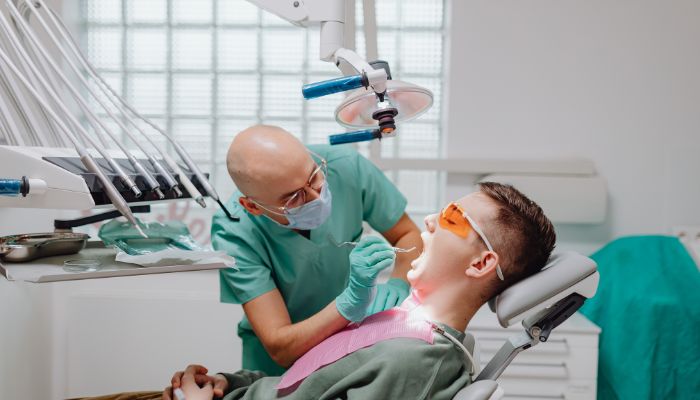
A dental emergency isn’t always dramatic, but it can quickly affect comfort, health, and daily function. Severe toothaches, knocked-out teeth, infections, and injuries from accidents are common examples. Many of these situations fall under medical emergencies in dentistry, where delaying care may worsen pain or lead to complications. Family dental practices are designed to address a wide range of these concerns efficiently because they already manage diverse oral health needs across age groups.
One Trusted Place for All Ages
One of the key advantages of family dentistry is continuity of care. When emergencies arise, having a dental team that already knows your medical history, past treatments, and dental patterns can save valuable time. This familiarity allows dentists to assess urgent problems more accurately and recommend appropriate next steps without starting from scratch.
In situations where patients search for emergency dentistry near me, dental family dentistry, family practices often stand out because they treat both adults and children under one roof. This all-in-one approach reduces confusion during stressful moments and helps families get coordinated care quickly.
Emergency Care for Children and Teens
Children are especially prone to dental accidents from sports, playtime falls, or unexpected tooth pain. Family dental clinics are experienced in emergency dentistry for kids, where both clinical skill and emotional reassurance are essential. Dentists trained to work with young patients know how to calm anxiety while delivering timely care.
Similarly, emergency pediatric dentistry focuses on protecting developing teeth and preventing long-term issues. Family dentists understand growth stages and can make decisions that support a child’s oral development while addressing the immediate problem.
Familiar Technology and Faster Decisions
Many family practices operate as modern family dentistry, using digital X-rays, intraoral cameras, and electronic records. In emergencies, these tools help dentists quickly diagnose issues like fractures, infections, or abscesses. Faster diagnosis means faster relief and fewer unnecessary procedures.
Because these clinics already offer preventive, restorative, and urgent care, they are often prepared to manage emergencies without referrals. This reduces delays and helps patients receive consistent guidance from a provider they already trust.
Preventing Small Problems from Becoming Big Ones
Another benefit of choosing family dentistry for emergencies is prevention. Dentists who see patients regularly can identify risks early and provide guidance to avoid repeat incidents. Addressing medical emergencies in dentistry promptly also lowers the chance of complications that might require more invasive treatment later.
When emergencies do occur, having an established dental home ensures care is not fragmented. Follow-up visits, monitoring, and long-term planning are easier when everything is handled within the same practice.
Why Family Dentistry Makes Sense in Urgent Situations
Family dentistry combines accessibility, familiarity, and comprehensive care. From managing pain to protecting long-term oral health, these practices are structured to respond efficiently when unexpected problems arise. For families, this means fewer decisions under pressure and clearer paths to recovery.
Key Takeaway
Choosing family dentistry for emergency care offers practical advantages: quicker assessments, age-appropriate treatment, and continuity that supports better outcomes. In urgent dental situations, having a trusted, prepared provider can make a meaningful difference in both comfort and confidence.