Missing teeth can affect more than just your smile. They may change how you chew, speak, and even how confident you feel in daily interactions. Over time, tooth loss can also impact jawbone health and cause nearby teeth to shift. Because of these long-term effects, many people explore permanent solutions rather than temporary fixes.
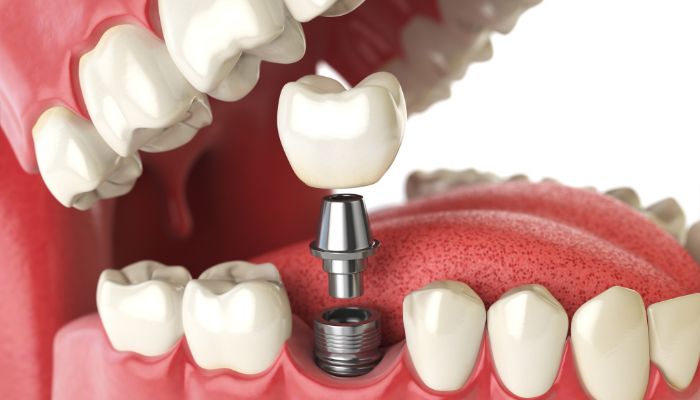
When considering treatment, it’s natural to ask whether dental implants are the right choice for your situation. In simple terms, implants are artificial tooth roots placed in the jawbone to support crowns, bridges, or dentures. For people evaluating dental implants for missing teeth, the decision often comes down to understanding how they work, their benefits, costs, and available alternatives.
Dental Implants for Multiple Missing Teeth
If you are missing more than one tooth, implants can still be an effective solution. Instead of replacing each tooth individually, dentists may use fewer implants to support a bridge. This approach helps distribute biting forces evenly and preserves bone structure, which is especially important when several teeth are missing in one area.
Key Benefits of Dental Implants for Missing Teeth
One of the main advantages of implants is stability. Because they fuse with the jawbone, they function much like natural tooth roots. This can help prevent bone loss, a common issue after tooth extraction. Implants also do not rely on neighboring teeth for support, unlike traditional bridges, which may require reshaping healthy teeth.
Other benefits include improved chewing efficiency, clearer speech, and easier maintenance compared to removable options. With proper care, implants may last many years.
Best Options for Replacing Missing Teeth: Dental Implants, Bridges, Dentures
Choosing between implants, bridges, and dentures depends on oral health, budget, and personal preference. Bridges are fixed and restore appearance quickly but may affect adjacent teeth. Dentures are more affordable and non-surgical, though some people find them less stable. Implants sit between these options, offering durability and a natural feel, but they involve a surgical procedure and longer healing time.
Affordable Dental Implants for Multiple Missing Teeth
Cost is a common concern. While implants can be more expensive upfront, they may reduce long-term expenses related to replacements or adjustments. Some treatment plans use implant-supported bridges or partial dentures to lower overall costs. Insurance coverage, payment plans, and regional pricing can also influence affordability.
Alternatives to Dental Implants for Missing Teeth
Not everyone is a candidate for implants due to medical conditions, bone density issues, or personal preference. Alternatives include removable partial dentures, full dentures, or traditional bridges. Each option has its own advantages and limitations, making professional evaluation essential before deciding.
Full Mouth Dental Implants for Loose or Missing Teeth
For individuals with extensive tooth loss or failing teeth, full-mouth implant solutions may be considered. These approaches use a strategic number of implants to support a full arch of teeth, improving stability and function compared to conventional dentures.
Final Thoughts
Deciding whether to get dental implants for missing teeth is a personal choice that depends on health, lifestyle, and expectations. Understanding how implants compare with other solutions can help you make an informed decision. Consulting a qualified dental professional ensures that the chosen option aligns with both short-term needs and long-term oral health goals.