
When it comes to maintaining good oral health, one of the most common questions families ask is whether a family dentist or a general dentist is the better—and more cost-effective—choice. While both provide essential dental care, their approach, services, and patient focus differ in ways that can influence overall cost and convenience.
Understanding the Difference Between Family and General Dentistry
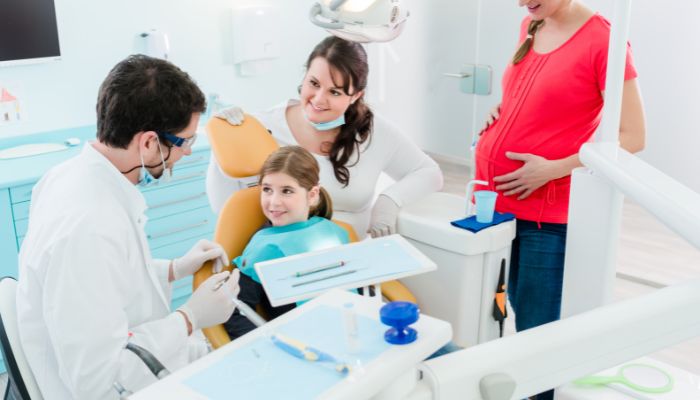
A general dentist primarily focuses on treating adult patients. Their services usually include preventive cleanings, fillings, crowns, and other standard dental procedures. A family dentist, on the other hand, provides care for patients of all ages—children, teens, adults, and seniors. This versatility makes family dentistry ideal for households that prefer having one trusted provider for everyone’s dental needs.
For those wondering what is family dentistry, it’s a branch of dental care designed to offer comprehensive treatment across generations. From your child’s first tooth to your parents’ oral health concerns, family dentists tailor their approach to meet the needs of each age group.
The Cost Advantage of Family Dentistry
One of the most practical benefits of choosing a family dentist is cost efficiency. Instead of visiting multiple clinics for different family members, families can consolidate all their dental visits in one place. This often translates into fewer appointments, shared treatment plans, and reduced administrative costs. Many family dental practices also provide bundled services or family discounts, which can further help save money over time.
Family dentists are also familiar with the dental histories of all household members, making preventive care more effective. Early detection of hereditary issues—like gum disease or enamel weakness—can lead to timely, less expensive interventions down the line.
Convenience and Continuity of Care
Convenience plays a major role in cost-effectiveness. Having one dentist for the entire family simplifies scheduling, billing, and ongoing care management. This not only saves time but also prevents costly last-minute dental emergencies that often arise when regular visits are overlooked due to scheduling challenges.
Practices that focus on healthy family dentistry often emphasize long-term preventive care—regular checkups, cleanings, and education about oral hygiene—to minimize the need for expensive restorative treatments in the future.
Comfort and Trust Across Generations
Family dentists are trained to create a welcoming environment for patients of all ages. With an emphasis on comfortable family dentistry, they focus on reducing anxiety, especially for children and elderly patients who may feel nervous about dental visits. Establishing a sense of familiarity and trust encourages regular attendance, which is key to keeping oral health costs low.
When a General Dentist Might Be Better
While family dentists are ideal for most households, there are situations where a general dentist may be more suitable—particularly if an adult requires specialized treatments like cosmetic veneers or advanced restorative work. However, many family dentists today are skilled in these areas as well, providing a balanced mix of preventive and advanced care.
Final Thoughts
Choosing between a family dentist and a general dentist ultimately depends on your household’s needs, but in most cases, a family dentist offers better value through convenience, continuity, and preventive focus. By addressing every family member’s dental needs in one setting, family dentistry helps save both time and money while fostering lifelong oral health habits.