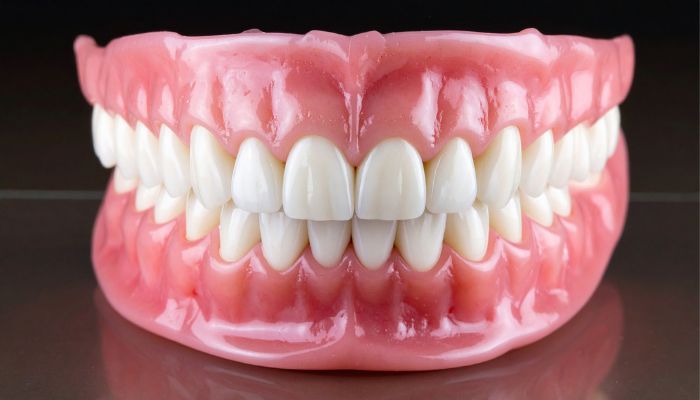
If you’re wondering what is the strongest denture adhesive on the market, the short answer is this: the strongest denture adhesive is the one that creates a secure seal, lasts throughout your daily activities, works well with your denture type, and is used with properly fitting dentures. No adhesive, however, can permanently compensate for loose or poorly fitting dentures. If your dentures frequently slip even after using a quality adhesive, it’s time to schedule a professional denture evaluation.
Whether you wear full dentures, partial dentures, or are considering implant-supported dentures, choosing the right adhesive and maintaining a proper denture fit can dramatically improve your comfort, confidence, and oral health.
In this complete guide, you’ll learn how denture adhesives work, compare different adhesive types, discover what causes dentures to loosen, and understand when professional dental care is the best long-term solution.
What Is the Strongest Denture Adhesive on the Market?
There isn’t a single product that’s universally considered the strongest denture adhesive because every patient’s mouth, denture fit, saliva production, and lifestyle are different.
Instead, the strongest denture adhesive on the market usually has these characteristics:
- Provides all-day hold
- Resists moisture from food and drinks
- Creates a secure seal between dentures and gums
- Reduces food particles underneath dentures
- Improves comfort without excessive product use
- Is easy to remove and clean
- Works with properly fitting dentures
Many dentists recommend selecting products based on denture fit rather than simply choosing the strongest formula available.
Important: Adhesives improve stability—they should never replace professional denture adjustments.
Why Denture Stability Matters
Loose dentures affect much more than your smile.
Poorly fitting dentures may cause:
- Difficulty chewing
- Slurred speech
- Gum irritation
- Mouth sores
- Reduced confidence
- Food becoming trapped beneath dentures
- Bone loss over time
A quality adhesive can improve daily comfort, but only properly fitted dentures provide long-term stability.
How Denture Adhesives Work?
Denture adhesives create a thin layer between your dentures and gum tissue.
When activated by saliva, the adhesive forms a cushion-like seal that helps:
- Increase suction
- Reduce movement
- Improve chewing efficiency
- Minimize irritation
- Keep food particles out
Adhesives do not glue dentures permanently to your gums. Instead, they enhance the natural retention of well-fitting dentures.
Types of Denture Adhesives Explained
There are several types of denture adhesives available. Each has unique advantages depending on your needs.
| Adhesive Type | Best For | Hold Time | Ease of Use |
|---|---|---|---|
| Denture adhesive cream | Daily wear | Excellent | Very Easy |
| Denture adhesive powder | Light hold | Moderate | Easy |
| Adhesive strips | Convenience | Good | Very Easy |
| Adhesive cushions | Cushioning sore areas | Moderate | Moderate |
Denture Adhesive Cream
A denture adhesive cream remains the most popular option.
Advantages
- Strong hold
- Long-lasting performance
- Easy application
- Helps block food particles
- Suitable for many denture wearers
Drawbacks
- Applying too much can reduce effectiveness.
- Requires thorough cleaning each day.
Denture Adhesive Powder
A denture adhesive powder provides lighter retention while remaining easy to clean.
Best for:
- Well-fitting dentures
- Patients who dislike creams
- Individuals seeking thinner coverage
Pros:
- Less messy
- Easy removal
- Even distribution
Cons:
- May not provide maximum hold
- Less effective for significantly loose dentures
Adhesive Strips
Pre-cut strips provide consistent application.
Benefits include:
- No measuring
- Less mess
- Convenient for travel
However, strips may not fit every denture perfectly.
Adhesive Cushions
These create additional padding while improving comfort.
They’re often used by patients experiencing sore spots but should never replace professional adjustments.
Features of a Strong Denture Adhesive
When choosing the best denture adhesive, look for these features:
- Long-lasting hold
- Moisture resistance
- Comfortable seal
- Easy cleanup
- Minimal taste
- Reduced food infiltration
- Comfortable application
- Reliable daily performance
Some patients also prefer denture adhesive without zinc, especially if prolonged, excessive zinc exposure is a concern. Always follow the manufacturer’s instructions and ask your dentist which option is appropriate for you.
Waterproof Denture Adhesive: Does It Really Work?
A waterproof denture adhesive is designed to maintain its hold despite saliva and beverages.
While no adhesive is completely waterproof under every condition, moisture-resistant products often:
- Stay effective longer
- Improve eating confidence
- Reduce slipping
- Enhance comfort
Remember, even the strongest waterproof adhesive cannot compensate for severely loose dentures.
Secure Denture Adhesive for Lower Dentures
Many patients find the lower denture more difficult to stabilize.
A denture adhesive for lower dentures may provide extra security because lower dentures have:
- Less surface area
- More tongue movement
- Reduced natural suction
For persistent lower denture movement, your dentist may recommend:
- Denture relining
- Denture replacement
- Implant-supported dentures
These solutions often provide significantly greater stability than adhesives alone.
Best Denture Adhesive for Upper vs. Lower Dentures
| Denture Type | Recommended Solution |
|---|---|
| Upper dentures | Cream or powder adhesive |
| Lower dentures | Long-lasting cream adhesive or implant consultation |
| Full dentures | Strong cream adhesive with proper fit |
| Partial dentures | Follow your dentist’s recommendations |
| Implant-supported dentures | Usually little or no adhesive required |
Cream vs. Powder vs. Adhesive Strips
| Feature | Cream | Powder | Strips |
|---|---|---|---|
| Holding Power | Excellent | Moderate | Good |
| Ease of Application | Excellent | Good | Excellent |
| Cleanup | Moderate | Easy | Easy |
| Food Protection | Excellent | Moderate | Good |
| Daily Convenience | High | High | High |
Each option has advantages, but the best choice depends on your denture fit and lifestyle.
How to Apply Denture Adhesive Correctly
Proper application greatly affects performance.
Step 1
Clean dentures thoroughly.
Step 2
Dry the denture surface.
Step 3
Apply small amounts of adhesive.
Avoid placing adhesive too close to the edges.
Step 4
Insert dentures.
Press firmly for several seconds.
Step 5
Wait several minutes before eating.
Following the manufacturer’s directions helps maximize performance.
Benefits of Quality Denture Adhesive
Using a quality adhesive may provide:
- Better chewing ability
- Improved speech
- Greater confidence
- Less denture movement
- Fewer food particles beneath dentures
- Reduced gum irritation
- Increased comfort throughout the day
Common Mistakes That Reduce Adhesive Strength
Many patients unintentionally reduce adhesive performance.
Common mistakes include:
- Applying too much adhesive
- Using adhesive on dirty dentures
- Not drying dentures first
- Sleeping with adhesive in place
- Ignoring worn dentures
- Using expired products
- Skipping daily cleaning
Even the strongest denture adhesive cannot overcome poor denture maintenance.
Why Dentures Become Loose
Dentures naturally loosen over time because your mouth changes.
Common causes include:
| Cause | Recommended Solution |
|---|---|
| Bone shrinkage | Denture reline or replacement |
| Worn denture base | Replacement |
| Weight changes | Denture adjustment |
| Old dentures | New dentures |
| Poor original fit | Professional evaluation |
| Damaged dentures | Denture repair |
This is why regular dental checkups remain essential.
How to Make Dentures Stay in Place
If you’re searching for how to make dentures stay in place, consider these practical steps:
- Use a quality adhesive.
- Clean dentures daily.
- Visit your dentist regularly.
- Replace worn dentures when needed.
- Have dentures relined if they become loose.
- Maintain healthy gums.
- Follow proper adhesive instructions.
Persistent movement is usually a sign that professional treatment is needed.
Signs Your Dentures Need Professional Adjustment
Adhesive should improve stability—not become a daily struggle.
Schedule a dental visit if you notice:
- Dentures slipping frequently
- Pain while chewing
- Mouth sores
- Clicking sounds
- Difficulty speaking
- Gum irritation
- Dentures rocking while eating
- Cracks or damage
- Adhesive no longer working
Professional adjustments often solve these problems quickly.
Denture Repair, Relines, and Replacement
Your dentist may recommend:
Denture Repair
Ideal for:
- Cracks
- Chips
- Broken teeth
Denture Relines
Relines reshape the inside of dentures to improve fit as your gums change.
Benefits include:
- Better stability
- Greater comfort
- Improved chewing
- Reduced adhesive dependence
Replacement Dentures
Dentures generally need replacement after years of regular use due to normal wear and changes in your jaw.
Modern dentures provide:
- Improved appearance
- Better materials
- Enhanced comfort
- Superior fit
Can Implant-Supported Dentures Eliminate Adhesives?
Many patients asking about the strongest denture adhesive on the market eventually discover an even better solution.
Implant-supported dentures attach securely to dental implants placed in the jawbone.
Benefits include:
- Exceptional stability
- Minimal slipping
- Better chewing
- Improved confidence
- Less need for adhesives
- Better bone preservation
While not every patient is a candidate, implant-supported dentures offer one of the most secure long-term options available.
Daily Denture Care Checklist
Keep your dentures in excellent condition by following these daily habits:
- Brush dentures every day.
- Remove adhesive completely.
- Rinse after meals.
- Soak dentures overnight if recommended.
- Clean your gums and tongue.
- Store dentures safely.
- Visit your dentist for routine evaluations.
Proper care extends denture life and improves comfort.
Frequently Asked Questions
What is the strongest denture adhesive on the market?
The strongest denture adhesive is one that provides long-lasting retention, resists moisture, and works with properly fitting dentures. Your dentist can recommend the most appropriate option based on your needs.
Which is the best denture adhesive for lower dentures?
Cream adhesives often provide the strongest hold for lower dentures, but persistent movement usually indicates that the dentures need adjustment or relining.
Is denture adhesive safe to use every day?
Yes. When used according to the manufacturer’s instructions and with properly fitting dentures, denture adhesive is generally considered safe.
Can denture adhesive fix loose dentures?
No. Adhesives temporarily improve stability but cannot correct poorly fitting or worn dentures.
How long should denture adhesive last?
Most quality adhesives provide several hours of retention, though performance varies based on eating habits, saliva, and the specific product.
Is denture adhesive without zinc better?
Many patients prefer zinc-free products. Your dentist can help determine the best choice based on your oral health and usage.
Why does my denture adhesive stop working?
Common reasons include worn dentures, incorrect application, excessive adhesive use, poor cleaning, or changes in your gums and jawbone.
Can I sleep wearing denture adhesive?
Most dentists recommend removing dentures and cleaning away adhesive before sleeping unless instructed otherwise.
When should dentures be replaced?
Replacement depends on wear and changes in your mouth. Your dentist will evaluate whether repairs, relines, or new dentures are the best option.
Are implant-supported dentures worth considering?
For many patients, implant-supported dentures provide superior stability, improved chewing, and reduced dependence on adhesives.
Why Choose Hillcrest Dental for Denture Care?
Finding the strongest denture adhesive is only part of the solution. Comfortable dentures begin with a precise fit and ongoing professional care.
At Hillcrest Dental, we provide personalized denture solutions designed to improve comfort, function, and confidence.
Our services include:
- Comprehensive denture evaluations
- Denture adjustments
- Denture relines
- Denture repairs
- Full dentures
- Partial dentures
- Implant-supported dentures
- Emergency denture care
Our experienced dental team will evaluate your dentures, identify the cause of looseness, and recommend the most effective treatment for lasting stability.
Internal Linking Suggestions
To strengthen your website’s SEO and improve user experience, link this article to:
- Denture Repair
- Full Dentures
- Partial Dentures
- Implant Dentures
- Emergency Dental Care
- Dental Implants
- General Dentistry
These related pages help patients explore treatment options while supporting your site’s internal linking structure.
Trusted External Resources
For additional evidence-based information about denture care and oral health, refer readers to reputable organizations such as:
- American Dental Association (ADA)
- National Institute of Dental and Craniofacial Research (NIDCR)
These trusted resources reinforce the accuracy and credibility of the information provided.
Conclusion
Choosing the strongest denture adhesive on the market can make a noticeable difference in your daily comfort, confidence, and ability to eat and speak. However, even the best adhesive is only a temporary aid if your dentures no longer fit correctly.
If you’re relying on larger amounts of adhesive, experiencing frequent slipping, or dealing with sore gums, it’s time for a professional evaluation. Proper adjustments, relines, repairs, or replacement dentures can restore the secure fit you deserve—and in some cases, implant-supported dentures may offer an even more stable, long-term solution.
Don’t let loose dentures affect your quality of life. Contact Hillcrest Dental today to schedule a denture consultation, request a denture fit evaluation, or learn more about our denture repair, reline, and replacement services. Our experienced team is here to help you enjoy lasting comfort, improved stability, and a confident smile every day.