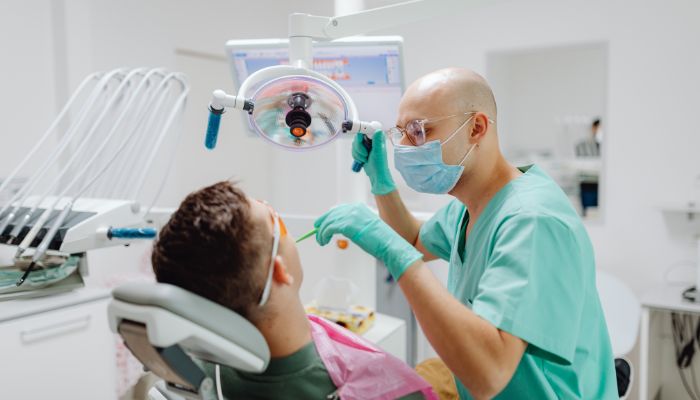
Dental emergencies can happen without warning. A sudden fall, sports injury, biting into hard food, or a vehicle accident may leave someone with a broken, chipped, or knocked-out tooth. In these situations, seeking immediate emergency dentistry care is essential to reduce pain, prevent infection, and improve the chances of saving the tooth.
Understanding how dental emergencies are treated and what actions to take before reaching a dentist can make a significant difference in long-term oral health outcomes.
What Qualifies as a Dental Emergency?
A dental emergency involves any condition that requires immediate professional attention to stop bleeding, relieve severe pain, or save a tooth. Common examples include:
- Broken or fractured teeth
- Chipped teeth with pain or sensitivity
- Knocked-out teeth
- Severe toothaches
- Dental abscesses
- Lost fillings or crowns
- Injuries to gums or soft tissues
Modern emergency dentistry focuses on quick diagnosis and fast treatment to minimize complications and restore oral function as soon as possible.
Immediate Steps for a Knocked-Out Tooth
A knocked-out tooth is one of the most urgent situations in dentistry. Acting quickly within the first 30 to 60 minutes may increase the likelihood of saving the tooth.
Here are the recommended first-aid steps:
- Pick up the tooth by the crown, not the root.
- Rinse it gently with clean water if dirty.
- Avoid scrubbing or removing attached tissue.
- Try placing the tooth back into the socket if possible.
- If reinsertion is not possible, store it in milk or saliva.
- Visit an emergency dental clinic immediately.
Emergency dental professionals may use splinting techniques to stabilize the tooth and monitor healing over time.
How Dentists Treat Broken or Chipped Teeth
Treatment depends on the severity of the damage. Small chips may only require cosmetic bonding, while deep fractures could need more advanced restorative procedures.
Emergency Cosmetic Dentistry for Visible Damage
Front tooth injuries often affect confidence as well as oral function. In many cases, emergency cosmetic dentistry procedures are used to restore the appearance of damaged teeth quickly.
Common treatments include:
- Dental bonding
- Porcelain veneers
- Tooth-colored fillings
- Dental crowns
These procedures help restore the natural shape, color, and strength of the tooth while protecting it from further damage.
Emergency Pediatric Dentistry for Children’s Dental Injuries
Children are especially vulnerable to dental injuries during sports, playground activities, or accidental falls. Emergency pediatric dentistry focuses on treating dental trauma in infants, children, and teenagers with age-appropriate care techniques.
Pediatric emergency dentists often handle:
- Cracked baby teeth
- Tooth displacement
- Lip and gum injuries
- Sports-related dental trauma
Parents should seek immediate evaluation even if the injury appears minor, as hidden damage to developing teeth can occur beneath the gums.
Understanding Medical Emergencies in Dentistry
Some oral health situations go beyond standard tooth damage and may become serious health concerns. Certain infections, swelling, or trauma can develop into medical emergencies in dentistry if left untreated.
Warning signs include:
- Facial swelling
- Difficulty breathing or swallowing
- Uncontrolled bleeding
- High fever with oral pain
- Severe jaw injuries
These conditions may require both emergency dental care and medical intervention to prevent complications.
Preventing Future Dental Emergencies
Although accidents cannot always be avoided, several preventive measures can lower the risk of dental injuries:
- Wear mouthguards during sports
- Avoid chewing ice or hard objects
- Maintain regular dental checkups
- Treat cavities early
- Use seat belts while driving
Preventive care remains one of the most effective ways to reduce the need for emergency treatment.
Final Thoughts
Dental injuries involving broken, chipped, or knocked-out teeth require immediate attention to protect both oral health and overall well-being. Timely emergency dentistry treatment can often save teeth, reduce pain, and prevent long-term complications. Whether the situation involves children, cosmetic concerns, or serious oral infections, understanding the basics of emergency care helps patients respond quickly and confidently when accidents happen.