
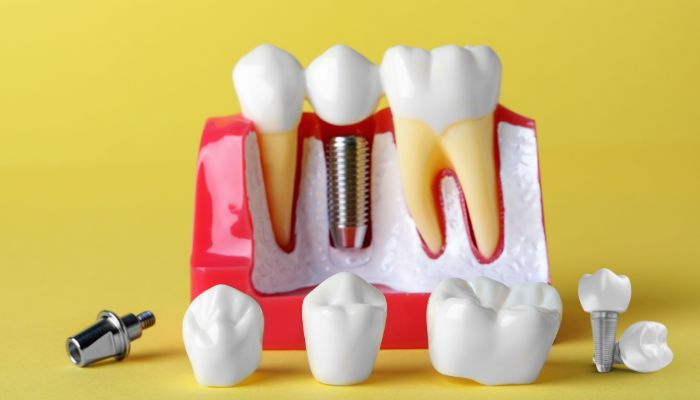
Dental implants are a popular and reliable solution for replacing missing teeth. With proper care, dental implants can last 20 years or even a lifetime. However, their longevity largely depends on your oral hygiene habits and lifestyle choices. If you’re wondering how to make dental implants last longer, this guide will walk you through key steps to maintain their function, appearance, and health.
1. Maintain Excellent Oral Hygiene
The first and most crucial step to prolonging the life of your dental implants is practicing good oral hygiene. Brush your teeth at least twice a day using a soft-bristled toothbrush and non-abrasive toothpaste. Floss daily with unwaxed tape or implant-specific floss to remove food particles and plaque around the implant area.
AI Overview Tip: Regular cleaning prevents gum inflammation (peri-implantitis), which is a major cause of implant failure.
2. Schedule Regular Dental Checkups
Visit your dentist every six months for professional cleanings and implant checkups. Your dentist can detect any early signs of complications and provide appropriate treatment to prevent long-term issues.
3. Avoid Smoking and Excessive Alcohol
Smoking reduces blood flow to the gums, hindering the healing process and increasing the risk of implant failure. Similarly, excessive alcohol consumption can lead to poor oral hygiene and gum disease. Quitting smoking and moderating alcohol intake significantly improve the lifespan of dental implants.
4. Eat a Balanced Diet
A nutrient-rich diet supports healthy gums and bones, both of which are essential for implant stability. Incorporate foods high in calcium, vitamin D, and protein to help maintain strong jawbone density and healthy tissues.
5. Protect Your Implants
If you grind your teeth at night (bruxism), it can place unnecessary stress on your dental implants. Talk to your dentist about wearing a custom night guard to protect both your natural teeth and implants from damage.
Also, avoid using your teeth (implants or natural) as tools for opening packages or biting hard objects like ice or pens.
6. Treat Gum Disease Immediately
Even though implants don’t get cavities, they’re still susceptible to gum disease. Gingivitis and peri-implantitis can damage the bone and tissues supporting your implants. Seek prompt treatment at the first sign of gum problems—redness, swelling, bleeding, or bad breath.
Final Thoughts
Dental implants are a worthwhile investment in your oral health and confidence. By maintaining good hygiene, seeing your dentist regularly, and making smart lifestyle choices, you can ensure your implants last for decades—or even a lifetime.
If you’re considering dental implants or need tips for implant care, consult your dentist for personalized advice. Long-lasting dental implants begin with daily habits and professional care.