Dental pain can be unsettling, especially when it’s persistent or severe. Many people aren’t sure when a cavity or toothache crosses the line into something more serious—like needing a root canal. Understanding the warning signs early can help you get the right care before the problem worsens.
What Exactly Is a Root Canal?
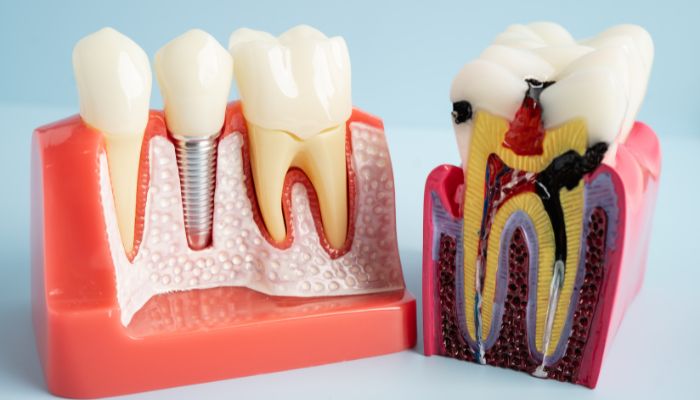
A root canal is a dental procedure used to treat infection inside the tooth’s pulp—the soft tissue containing nerves and blood vessels. When this pulp becomes inflamed or infected due to deep decay, cracks, or repeated dental work, removing it may be the only option to save the natural tooth and relieve pain.
Common Signs You May Need a Root Canal
While only a dentist can diagnose the problem with certainty, certain root canal symptoms can signal that the inner part of your tooth is compromised. Many of these symptoms start mildly and progress over time if left untreated.
1. Persistent or Severe Tooth Pain
Pain that doesn’t go away—or worsens when chewing or applying pressure—is one of the earliest indicators. You may notice a dull ache or sharp discomfort that radiates to the jaw or ear. Pain that interrupts sleep is particularly concerning.
2. Sensitivity to Hot and Cold
If sipping a hot coffee or cold drink triggers lingering sensitivity, it could mean the nerve inside the tooth is damaged. Normal sensitivity fades quickly, but pain from pulp inflammation tends to last longer.
3. Swollen or Tender Gums
A tooth infection can cause swelling around the gumline. Sometimes, small pimple-like bumps (dental abscesses) may appear, which often indicate deeper infection that has spread beyond the tooth.
4. Tooth Discoloration
A tooth that turns gray or dark compared to surrounding teeth may signal nerve damage. Internal changes within the tooth often cause this discoloration and should not be ignored.
5. Pain When Biting Down
If your tooth feels “higher” than the others or hurts when biting, the pulp may be inflamed. This happens when infection creates pressure within the tooth.
When to See a Dentist for Evaluation
If you’re experiencing one or more of these warning signs, it’s wise to schedule an evaluation. Early diagnosis helps preserve your natural tooth and prevents complications that could require more extensive treatment later. Some patients also wonder are root canals bad for you? The truth is that modern root canals are safe, routine, and designed to remove infection—not create new problems.
What Happens After a Root Canal?
While the procedure has a reputation for being painful, advancements in dentistry have made it much more comfortable and efficient. After treatment, you may experience mild soreness, which usually improves quickly. Many people are curious about root canal recovery and typical root canal recovery time, which generally ranges from a few days to a week depending on the severity of the infection and your overall oral health.
If troubleshooting symptoms early helps avoid complications, then working with a qualified root canal specialist ensures you receive accurate diagnosis and timely treatment.
Final Thoughts
Knowing whether you need a root canal starts with paying attention to persistent pain, sensitivity, swelling, and tooth discoloration. These signs often indicate a deeper issue that won’t improve on its own. Understanding these symptoms empowers you to take action early, protect your natural teeth, and maintain long-term oral health.