
We take care of
your health

Lorem ipsum dolor sit amet, consectetur adipiscing elit. 

Dentures

how to care for dentures​?

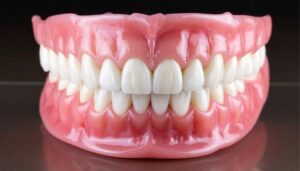
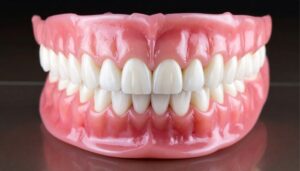
Caring for dentures properly is essential for maintaining oral health, comfort, and confidence. Just like natural teeth, dentures can collect plaque, bacteria, and stains if not cleaned regularly. Poor maintenance may lead to gum irritation, infections, and unpleasant odors. With the right habits and daily attention, dentures can last longer and continue to fit comfortably. Many people assume dentures are low maintenance, but they actually require consistent care. In fact, denture care is a daily routine that helps protect your gums, preserve the shape of your mouth, and prevent oral health problems. Establishing simple cleaning and storage practices can make a big difference in both hygiene and durability. Why Proper Denture Care Matters for Oral Health Dentures rest directly on your gums, making cleanliness even more important. Food particles trapped beneath them can cause inflammation, sores, and bacterial growth. Over time, buildup can also weaken the denture material and affect how well they fit. Benefits of proper care include: How to Take Care of Dentures Daily habits play the biggest role in keeping dentures clean and damage-free. Here’s a simple routine most dental professionals recommend: Always clean over a towel or sink filled with water to avoid breakage if they slip. Denture Care Instructions for Daily Cleaning Following consistent instructions ensures thorough cleaning without damaging the material: Never use hot water, as it can warp dentures and affect their fit. Denture Instructions Care for Long-Term Maintenance Beyond daily cleaning, long-term habits help keep dentures in top condition: Ill-fitting dentures can cause discomfort and sores, so adjustments are important over time. Common Mistakes to Avoid When Caring for Dentures Many people unknowingly damage their dentures by: Avoiding these mistakes helps preserve both comfort and hygiene. Final Thoughts Learning how to care for dentures properly is an investment in your oral health and daily comfort. With consistent cleaning, safe handling, and regular dental visits, dentures can remain fresh, functional, and long-lasting. A simple routine can prevent infections, protect your gums, and help you smile confidently every day.
Read More »
Denture Adhesive

What Is the Strongest Denture Adhesive on the Market?

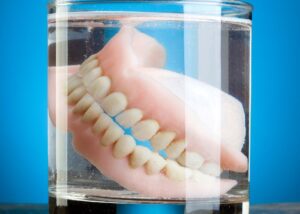
Dentures are a vital solution for many who have lost their natural teeth. However, maintaining a comfortable and secure fit throughout the day often depends on the quality of the adhesive used. If your dentures tend to loosen or shift, finding the strongest denture adhesive can make a noticeable difference in your daily comfort and confidence. Understanding How Denture Adhesives Work Denture adhesives are designed to improve the grip between dentures and gums. They come in various forms, including creams, powders, strips, and pads. The main purpose is to prevent movement, minimize irritation, and create a tight seal to keep food particles from getting trapped under the dentures. Not all adhesives are created equal. The strongest ones typically combine long-lasting hold, comfort, and resistance to moisture from saliva or beverages. Knowing which formula suits your needs can save you from constant adjustments and discomfort. The Role of the Best Denture Adhesive in Comfort and Stability The best denture adhesive is not just about strength — it’s about balance. A good adhesive should offer all-day security without causing gum irritation or leaving residue. Many users prefer adhesive paste for dentures because it spreads evenly and provides a cushioned hold. However, those with sensitive gums may find denture adhesive strips more convenient since they are pre-measured and easy to apply. Durability under pressure is another key factor. High-quality adhesives maintain their grip even when exposed to hot or cold beverages. Some advanced formulas can last up to 12 hours or more, providing consistent support throughout the day. Comparing Types of Denture Adhesives Each type of adhesive serves a unique purpose depending on your lifestyle and denture type: For those dealing with damaged dentures, denture repair products or adhesive glue for dentures can serve as temporary solutions until professional adjustments are made. Key Ingredients Behind a Strong Adhesive The effectiveness of any adhesive depends on its ingredients. Most contain natural or synthetic polymers that expand when moistened, creating a seal between the denture and the gum. The stronger the polymer bond, the longer and tighter the hold. However, it’s important to avoid products containing zinc if used excessively, as high zinc intake can lead to health issues over time. What Is the Best Denture Adhesive for You? Ultimately, “what is the best denture adhesive” depends on personal comfort, lifestyle, and denture type. Some prefer Poligrip denture adhesive for its lasting grip and gentle formula, while others choose Secure Denture Adhesive for its waterproof seal. The key is to test different options safely and consult your dentist for guidance. Final Thoughts Choosing the strongest denture adhesive isn’t about picking the most popular brand—it’s about finding what works best for your unique needs. A well-fitting denture combined with a reliable adhesive can restore your confidence, comfort, and quality of life. Remember, no adhesive should replace a properly fitted denture—always work with your dental professional to ensure both comfort and oral health remain in perfect balance.

Read More »
dentures

Discover the Hidden Dangers: Dentist Unveils the Truth About Food Stuck Under Dentures

Wearing dentures can significantly improve your smile and chewing ability, but many people overlook a common issue—food particles getting trapped underneath. Left unchecked, this can lead to serious oral health problems. In this blog, we’ll uncover the hidden dangers of food stuck under dentures and provide expert tips to prevent it. The Hidden Dangers of Food Stuck Under Dentures Gum Irritation and Inflammation When food lodges beneath dentures, it creates friction against the gums, leading to soreness, redness, and swelling. Over time, this constant irritation can cause denture stomatitis, a fungal infection that inflames the gum tissues. Bad Breath (Halitosis) Trapped food particles decompose under dentures, producing bacteria that release foul-smelling gases. Even with regular brushing, lingering debris can cause persistent bad breath, affecting your confidence and social interactions. Increased Risk of Infections Bacteria thrive in the warm, moist environment under dentures. If food remains trapped, it can lead to oral thrush (yeast infection) or bacterial infections, which may spread beyond the mouth if untreated. Denture Stability Issues Accumulated food particles can alter the fit of your dentures, making them slip or feel uncomfortable while eating or speaking. Poor denture stability can also lead to jaw pain and difficulty chewing. Preventing Food from Getting Stuck Under Dentures To avoid these risks, follow these best practices: ✔ Rinse After Meals – Swish water or an antibacterial mouthwash to dislodge debris.✔ Clean Dentures Daily – Use a soft brush and denture cleaner to remove plaque and food.✔ Remove Dentures at Night – Let your gums breathe and soak dentures in a cleaning solution.✔ Check Fit Regularly – Ill-fitting dentures trap more food—visit your dentist for adjustments.✔ Use Denture Adhesives Sparingly – Excessive adhesive can trap particles; apply only as directed. Does Food Get Stuck Under All-on-4 Dental Implants? Unlike traditional dentures, All-on-4 implants are fixed securely to the jawbone, reducing the risk of food getting trapped underneath. However, food can still accumulate around the implant bridge if not cleaned properly. To maintain All-on-4 implants: Final Thoughts Food stuck under dentures isn’t just a nuisance—it poses real health risks. By following proper hygiene and regular dental check-ups, you can keep your dentures (or implants) clean and your mouth healthy. Have questions about denture care? Ask your dentist for personalized advice!

Read More »

Recent Posts

Root Canal Treatment Lewisville Tx

Lorem ipsumLorem ipsumLorem ipsumLorem ipsum

Root Canal Treatment Lewisville Tx

Lorem ipsumLorem ipsumLorem ipsumLorem ipsum

Book An Appointment

Are you a patient of our practice without dental insurance? Then join our wellness club, taking care of your preventive care with a monthly subscription, and save money today! Click below to get your monthly preventive care for a low monthly fee!monthly subscription, and save money today! Click below to get your monthly preventive care for a low monthly fee!

(972) 833-4700

Book An Appointment

Are you a patient of our practice without dental insurance? Then join our wellness club, taking care of your preventive care with a monthly subscription, and save money today! Click below to get your monthly preventive care for a low monthly fee!monthly subscription, and save money today! Click below to get your monthly preventive care for a low monthly fee!

(972) 833-4700

Scroll to Top
Skip to content