The Future of Tooth Replacement: Dental Implants Explained
- Dental Implants
Tooth loss can significantly impact quality of life, affecting speech, eating, and self-confidence. Fortunately, dental implants offer a revolutionary tooth replacement solution that restores both function and aesthetics. In this guide, we’ll explore:
-
What dental implants are and how they work
-
Key benefits over traditional tooth replacement options
-
The step-by-step implantation process
-
Potential risks and how to minimize them
-
Proper aftercare for long-lasting results
-
The future of dental implant technology
What Are Dental Implants?
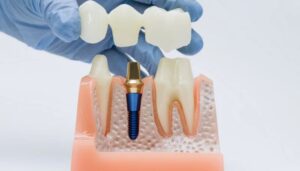
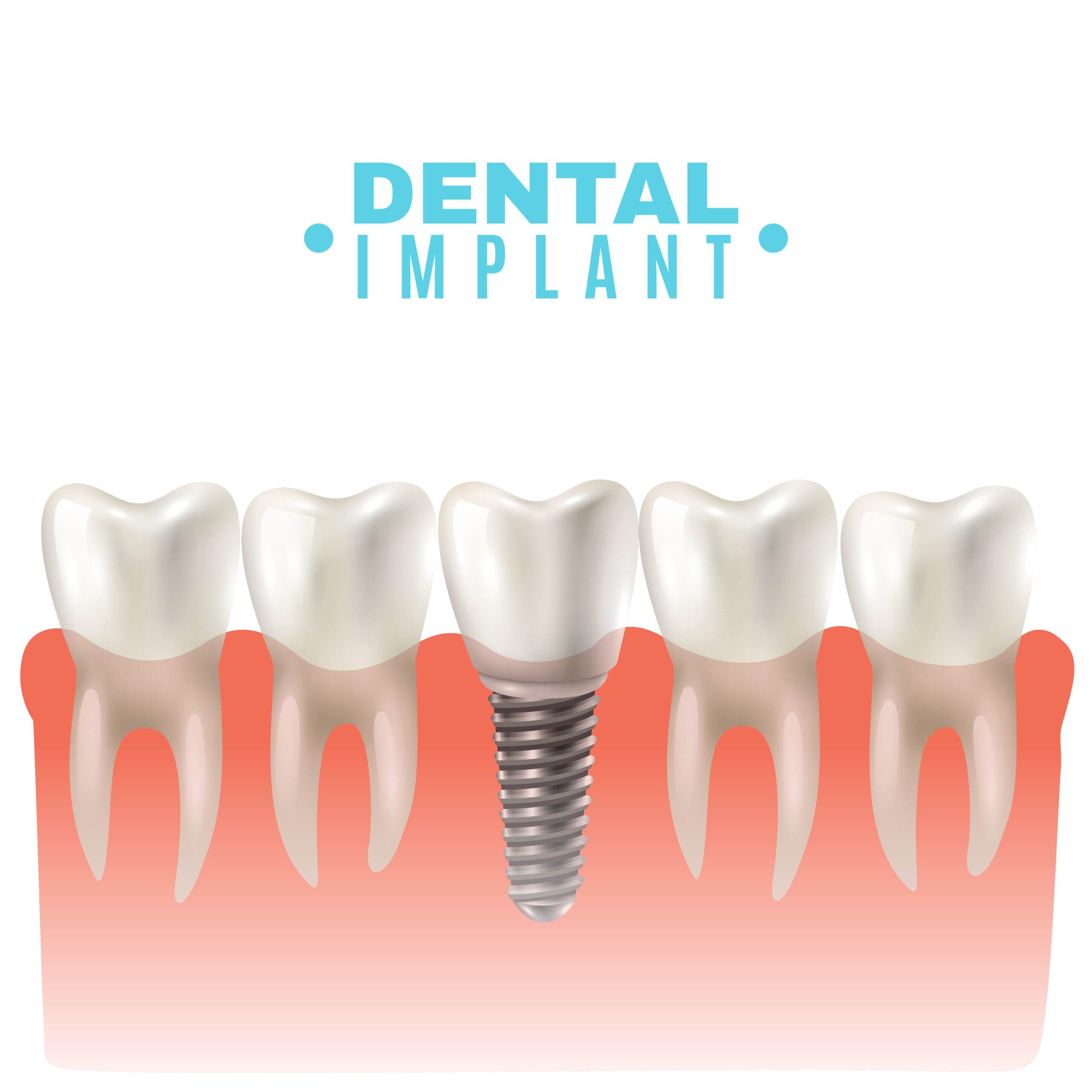
Dental implants are titanium posts surgically placed into the jawbone to replace missing teeth. They act as artificial tooth roots, providing a stable foundation for custom crowns, bridges, or dentures. Unlike removable dentures, implants are a permanent, natural-looking solution for:
-
Single tooth replacement
-
Multiple missing teeth
-
Full-arch restoration
Why Choose Dental Implants? Key Benefits
Dental implants outperform traditional options like dentures and bridges in several ways:
✅ Natural Look & Feel – Mimic real teeth for seamless aesthetics.
✅ Prevent Bone Loss – Stimulate jawbone growth, preventing deterioration.
✅ Improved Speech & Eating – No slipping or discomfort while speaking or chewing.
✅ Long-Lasting – With proper care, implants can last a lifetime.
✅ High Success Rate – Studies show a 95-98% success rate (AAID).
Over 3 million Americans have dental implants, with 500,000 new cases each year—proof of their effectiveness.
The Dental Implant Process: Step by Step
1. Consultation & Evaluation
A dental specialist assesses:
-
Jawbone density (via X-rays or CT scans)
-
Overall oral health
-
Medical history
2. Implant Placement
-
The titanium post is surgically inserted into the jawbone.
-
A healing period (3-6 months) allows osseointegration (bone fusion).
3. Abutment Attachment
A connector is placed on the implant to hold the prosthetic tooth.
4. Crown Placement
A custom-made crown is secured, completing the restoration.
Potential Risks & How to Avoid Them
While complications are rare (<5% failure rate), possible risks include:
-
Infection
-
Implant failure
-
Nerve damage
Prevention Tips:
✔ Follow post-op care instructions strictly.
✔ Maintain excellent oral hygiene (brushing, flossing, regular check-ups).
✔ Choose an experienced implant dentist.
Dental Implant Aftercare & Maintenance
To ensure longevity:
-
Brush & floss daily.
-
Avoid smoking (impairs healing).
-
Schedule regular dental cleanings.
-
Use a night guard if you grind your teeth.
Alternatives to Dental Implants
If implants aren’t suitable (due to low bone density or health conditions), alternatives include:
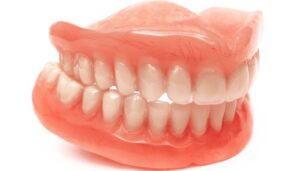
🔹 Dentures – Affordable but less stable.
🔹 Bridges – Require altering adjacent teeth.
However, these options lack the durability and natural feel of implants.
The Future of Dental Implants
Innovations are making implants even better:
🔸 3D Printing – Faster, more precise custom implants.
🔸 Zirconia Implants – Metal-free option for sensitive patients.
🔸 Stem Cell Therapy – May eliminate the need for bone grafts.
🔸 Computer-Guided Surgery – Enhances precision for higher success rates.
Cost of Dental Implants
The average cost for a single implant ranges from $3,000–$4,500 (AAID). While initially more expensive than dentures, implants save money long-term by avoiding replacements.
Final Thoughts
Dental implants provide a lifelike, durable solution for missing teeth, improving oral health and confidence. If you’re considering implants, consult a specialist to determine if you’re a candidate.
📞 Ready to restore your smile? Contact Hillcrest Dental today for a consultation!
Published by Dr. Namrata Shah