We take care of
your health

Lorem ipsum dolor sit amet, consectetur adipiscing elit. 

Should I Get Dental Implants for Missing Teeth?

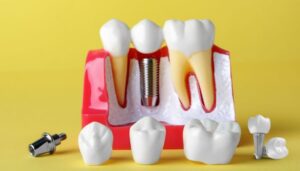
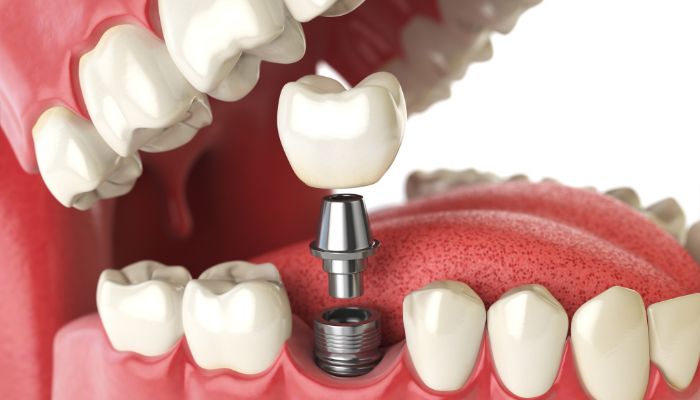
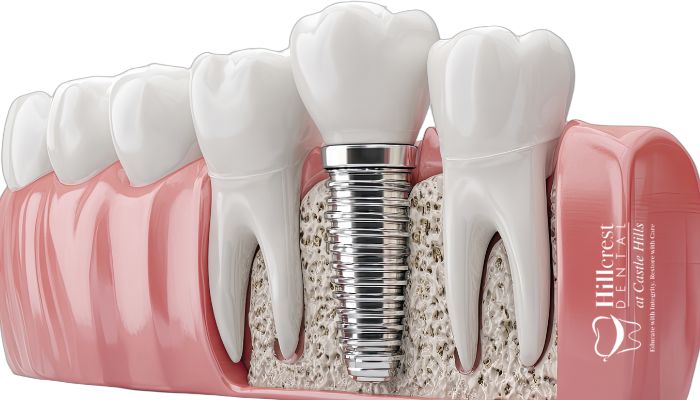
Missing teeth can affect more than just your smile. They may change how you chew, speak, and even how confident you feel in daily interactions. Over time, tooth loss can also impact jawbone health and cause nearby teeth to shift. Because of these long-term effects, many people explore permanent solutions rather than temporary fixes. When considering treatment, it’s natural to ask whether dental implants are the right choice for your situation. In simple terms, implants are artificial tooth roots placed in the jawbone to support crowns, bridges, or dentures. For people evaluating dental implants for missing teeth, the decision often comes down to understanding how they work, their benefits, costs, and available alternatives. Dental Implants for Multiple Missing Teeth If you are missing more than one tooth, implants can still be an effective solution. Instead of replacing each tooth individually, dentists may use fewer implants to support a bridge. This approach helps distribute biting forces evenly and preserves bone structure, which is especially important when several teeth are missing in one area. Key Benefits of Dental Implants for Missing Teeth One of the main advantages of implants is stability. Because they fuse with the jawbone, they function much like natural tooth roots. This can help prevent bone loss, a common issue after tooth extraction. Implants also do not rely on neighboring teeth for support, unlike traditional bridges, which may require reshaping healthy teeth. Other benefits include improved chewing efficiency, clearer speech, and easier maintenance compared to removable options. With proper care, implants may last many years. Best Options for Replacing Missing Teeth: Dental Implants, Bridges, Dentures Choosing between implants, bridges, and dentures depends on oral health, budget, and personal preference. Bridges are fixed and restore appearance quickly but may affect adjacent teeth. Dentures are more affordable and non-surgical, though some people find them less stable. Implants sit between these options, offering durability and a natural feel, but they involve a surgical procedure and longer healing time. Affordable Dental Implants for Multiple Missing Teeth Cost is a common concern. While implants can be more expensive upfront, they may reduce long-term expenses related to replacements or adjustments. Some treatment plans use implant-supported bridges or partial dentures to lower overall costs. Insurance coverage, payment plans, and regional pricing can also influence affordability. Alternatives to Dental Implants for Missing Teeth Not everyone is a candidate for implants due to medical conditions, bone density issues, or personal preference. Alternatives include removable partial dentures, full dentures, or traditional bridges. Each option has its own advantages and limitations, making professional evaluation essential before deciding. Full Mouth Dental Implants for Loose or Missing Teeth For individuals with extensive tooth loss or failing teeth, full-mouth implant solutions may be considered. These approaches use a strategic number of implants to support a full arch of teeth, improving stability and function compared to conventional dentures. Final Thoughts Deciding whether to get dental implants for missing teeth is a personal choice that depends on health, lifestyle, and expectations. Understanding how implants compare with other solutions can help you make an informed decision. Consulting a qualified dental professional ensures that the chosen option aligns with both short-term needs and long-term oral health goals.

Read More »
Dental implants

Do Dental Implants Hurt? A Clear, Honest Explanation

One of the most common concerns people have before choosing tooth replacement is pain. The idea of oral surgery naturally raises questions about discomfort, recovery time, and what the experience truly feels like. Understanding what happens before, during, and after treatment can help set realistic expectations and reduce anxiety. Modern dentistry has advanced significantly, and implant-based tooth replacement is now a highly controlled and predictable procedure. Pain management techniques, improved surgical methods, and personalized aftercare plans all play a role in making the process more comfortable than many people expect. In most cases, patients report that the experience is far less painful than they imagined. The placement of dental implants is typically performed with local anesthesia, which prevents pain during the procedure itself. Any discomfort that follows is usually temporary and manageable with standard care. Below, we break down the most frequently asked questions about pain related to implants, using a clear, informational approach to help you make an informed decision. Do Dental Implants Hurt During Procedure? During the procedure, pain is not usually an issue. Local anesthesia is used to numb the treatment area completely, so patients feel pressure but not pain. In some cases, sedation options may be available for those with dental anxiety or more complex treatment needs. Most patients compare the sensation to having a tooth extracted, and many even report that it feels easier. The dentist carefully prepares the jawbone and places the implant with precision, minimizing trauma to surrounding tissues. Because the area is numb, discomfort during surgery is rare. Any sensations felt are typically limited to vibration or mild pressure rather than sharp pain. How Bad Do Dental Implants Hurt? Pain levels after the procedure vary from person to person, but for most, it is considered mild to moderate. Common post-treatment symptoms include soreness at the implant site, slight swelling, and minor bruising around the gums or jaw. These symptoms are a normal part of the healing process and usually peak within the first 48 hours. Over-the-counter pain relievers and cold compresses are often enough to manage discomfort effectively. Compared to other oral surgeries, many patients find implant-related pain to be less intense and shorter in duration. How Long Do Dental Implants Hurt? Discomfort typically lasts a few days, with noticeable improvement after the first week. Most patients can return to normal daily activities within 24 to 48 hours, although strenuous activity may be limited for a short time. The healing phase, known as osseointegration, takes several months, but this process is usually painless. Once the initial soreness subsides, patients rarely experience ongoing discomfort during healing. If pain persists beyond a week or worsens instead of improving, it may indicate an issue that requires professional evaluation. Do Dental Implants Hurt Forever? No, dental implants are not meant to cause long-term pain. Once healing is complete and the implant has fully integrated with the jawbone, it should feel just like a natural tooth. Chronic pain is not normal and may be linked to complications such as infection, improper placement, or excessive pressure on the implant. These situations are uncommon and often preventable with proper planning and follow-up care. When placed and maintained correctly, implants are designed to improve comfort, function, and quality of life—not reduce it. What Influences Pain Levels After Implant Surgery? Several factors can affect how much discomfort a patient experiences, including overall health, bone density, the number of implants placed, and adherence to aftercare instructions. Smoking, poor oral hygiene, and certain medical conditions may also slow healing and increase sensitivity. Following post-procedure guidelines—such as maintaining oral hygiene, eating soft foods, and attending follow-up visits—plays a key role in minimizing discomfort and supporting smooth recovery. Final Thoughts So, do dental implants hurt? For most people, the answer is far less than expected. With effective anesthesia, careful surgical techniques, and proper aftercare, discomfort is typically short-lived and manageable. Understanding the process helps remove fear and allows patients to focus on the long-term benefits of restored function and confidence.

Read More »
How Lifestyle Choices Impact the Longevity of Your Dental Implants

How Lifestyle Choices Impact the Longevity of Your Dental Implants

When it comes to the success and longevity of dental implants, lifestyle choices play a much bigger role than many people realize. While implants are designed to be a long-lasting solution for missing teeth, habits such as smoking, poor oral hygiene, and even dietary preferences can directly influence how well your implants perform over time. Understanding these factors can help you protect your investment and maintain a healthy, functional smile for years. Why Lifestyle Matters for Implant Success Dental implants are durable, but they are not completely immune to damage. Bone health, gum condition, and daily care all determine how well implants fuse and remain stable. For example, individuals who smoke may experience slower healing, while those who practice good oral hygiene often see longer-lasting results. Choosing healthy routines not only benefits your general wellness but also ensures your implants function at their best. The Role of Oral Hygiene and Daily Care Proper brushing, flossing, and regular dental checkups are essential for maintaining implant health. When plaque builds up, it can lead to gum infections that may compromise the implant’s stability. Patients who treat their implants as natural teeth and commit to consistent oral care are far more likely to enjoy their implants for decades without complications. How Habits Influence Implant Longevity Some lifestyle habits can have long-term effects: For those considering full mouth dental implants, adopting healthier habits early is critical to ensure a successful recovery and long-term durability. Special Considerations for Different Age Groups Age itself is not a barrier to implants, but health and lifestyle matter greatly. Many patients explore dental implants for seniors, which can be highly successful when combined with proper oral care and balanced nutrition. Seniors who maintain healthy lifestyles often experience outcomes just as positive as younger patients. Exploring Different Implant Solutions There are various types of dental implants available, from single-tooth replacements to advanced same-day solutions. Patients who choose one day dental implants must be particularly mindful of their recovery habits since the immediate placement requires extra care during the healing period. Following your dentist’s post-op guidance helps avoid complications and ensures success. The Power of Consistency Over Time The most successful implant cases usually involve patients who stick to their healthy routines. Real before and after dental implants transformations show not just cosmetic improvement but also a renewed ability to chew, speak, and smile with confidence—all sustained by smart lifestyle choices. Final Thoughts Dental implants are a remarkable advancement in dentistry, but their longevity ultimately depends on the choices you make every day. From what you eat to how you care for your mouth, lifestyle decisions can either shorten or extend the life of your implants. By committing to healthy habits, regular checkups, and mindful care, you ensure your implants remain strong, functional, and beautiful for years to come.

Read More »
dental implant

How to Make Dental Implants Last Longer: Essential Tips for Long-Term Oral Health

Dental implants are a popular and reliable solution for replacing missing teeth. With proper care, dental implants can last 20 years or even a lifetime. However, their longevity largely depends on your oral hygiene habits and lifestyle choices. If you’re wondering how to make dental implants last longer, this guide will walk you through key steps to maintain their function, appearance, and health. 1. Maintain Excellent Oral Hygiene The first and most crucial step to prolonging the life of your dental implants is practicing good oral hygiene. Brush your teeth at least twice a day using a soft-bristled toothbrush and non-abrasive toothpaste. Floss daily with unwaxed tape or implant-specific floss to remove food particles and plaque around the implant area. AI Overview Tip: Regular cleaning prevents gum inflammation (peri-implantitis), which is a major cause of implant failure. 2. Schedule Regular Dental Checkups Visit your dentist every six months for professional cleanings and implant checkups. Your dentist can detect any early signs of complications and provide appropriate treatment to prevent long-term issues. 3. Avoid Smoking and Excessive Alcohol Smoking reduces blood flow to the gums, hindering the healing process and increasing the risk of implant failure. Similarly, excessive alcohol consumption can lead to poor oral hygiene and gum disease. Quitting smoking and moderating alcohol intake significantly improve the lifespan of dental implants. 4. Eat a Balanced Diet A nutrient-rich diet supports healthy gums and bones, both of which are essential for implant stability. Incorporate foods high in calcium, vitamin D, and protein to help maintain strong jawbone density and healthy tissues. 5. Protect Your Implants If you grind your teeth at night (bruxism), it can place unnecessary stress on your dental implants. Talk to your dentist about wearing a custom night guard to protect both your natural teeth and implants from damage. Also, avoid using your teeth (implants or natural) as tools for opening packages or biting hard objects like ice or pens. 6. Treat Gum Disease Immediately Even though implants don’t get cavities, they’re still susceptible to gum disease. Gingivitis and peri-implantitis can damage the bone and tissues supporting your implants. Seek prompt treatment at the first sign of gum problems—redness, swelling, bleeding, or bad breath. Final Thoughts Dental implants are a worthwhile investment in your oral health and confidence. By maintaining good hygiene, seeing your dentist regularly, and making smart lifestyle choices, you can ensure your implants last for decades—or even a lifetime. If you’re considering dental implants or need tips for implant care, consult your dentist for personalized advice. Long-lasting dental implants begin with daily habits and professional care.

Read More »

Recent Posts

Root Canal Treatment Lewisville Tx

Lorem ipsumLorem ipsumLorem ipsumLorem ipsum

Root Canal Treatment Lewisville Tx

Lorem ipsumLorem ipsumLorem ipsumLorem ipsum

Book An Appointment

Are you a patient of our practice without dental insurance? Then join our wellness club, taking care of your preventive care with a monthly subscription, and save money today! Click below to get your monthly preventive care for a low monthly fee!monthly subscription, and save money today! Click below to get your monthly preventive care for a low monthly fee!

(972) 833-4700

Book An Appointment

Are you a patient of our practice without dental insurance? Then join our wellness club, taking care of your preventive care with a monthly subscription, and save money today! Click below to get your monthly preventive care for a low monthly fee!monthly subscription, and save money today! Click below to get your monthly preventive care for a low monthly fee!

(972) 833-4700

Scroll to Top
Skip to content