
We take care of
your health

Lorem ipsum dolor sit amet, consectetur adipiscing elit. 

Dental Cleaning & Prevention

Does Dental Cleaning Prevent Cavities?

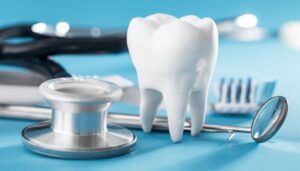
Maintaining strong oral health is about more than brushing twice a day. Many people still wonder whether routine dental cleanings actually help stop cavities from forming. Cavities develop when plaque and bacteria accumulate on the teeth, producing acids that weaken the enamel. While daily oral hygiene plays a major role, professional dental cleanings are another important piece of the prevention puzzle. Dental professionals recommend regular cleanings because they remove hardened plaque, also known as tartar, that cannot be eliminated with normal brushing or flossing. Understanding how these cleanings work can help clarify whether they truly reduce the risk of tooth decay. In modern dentistry, cleaning and preventing dental services focus on removing plaque buildup, monitoring early signs of decay, and supporting patients with preventive care strategies that protect long-term oral health. Do Dental Cleanings Prevent Cavities? Professional dental cleanings significantly reduce the risk of cavities, though they cannot guarantee complete prevention. Cavities form when plaque bacteria feed on sugars and release acids that damage the tooth enamel. If plaque is not removed regularly, it hardens into tartar and becomes much more difficult to eliminate. During a professional cleaning, dental hygienists use specialized tools to remove plaque and tartar from areas that are difficult to reach with a toothbrush. This process reduces the amount of bacteria that can cause tooth decay. Cleanings also give dental professionals the opportunity to identify early signs of cavities. Detecting small areas of demineralization early allows for treatment before the damage becomes severe. As a result, routine cleanings act as an important preventive step in maintaining healthy teeth. Is a Dental Deep Cleaning Considered Preventive Care? A dental deep cleaning is usually recommended when gum disease has already begun to develop. Unlike a regular cleaning, which focuses on removing plaque above the gum line, deep cleaning procedures involve scaling and root planing to remove bacteria beneath the gums. Because deep cleaning is typically performed after gum inflammation or periodontal disease appears, it is often classified as a treatment rather than basic preventive care. However, it still plays a role in protecting the teeth and supporting structures from further damage. By removing bacteria from deep pockets around the teeth, deep cleaning helps prevent additional complications such as bone loss or advanced gum disease. Preventive Dental Cleaning Preventive dental cleaning is the routine cleaning most people receive during their regular dental visits. These appointments are commonly scheduled every six months, although some individuals may require more frequent visits depending on their oral health needs. The main purpose of preventive cleaning is to stop dental problems before they start. During these visits, dental professionals remove plaque, polish teeth, and evaluate the overall condition of the mouth. Preventive cleanings also help reinforce healthy habits. Patients often receive guidance on brushing techniques, flossing methods, and dietary choices that influence oral health. These small adjustments can significantly reduce the chances of cavities and gum disease over time. Dental Cleaning and Prevention Dental cleaning is closely linked to long-term cavity prevention. Even people with excellent brushing habits can miss certain areas where plaque tends to accumulate, such as between teeth or along the gum line. Professional cleanings target these hard-to-reach areas and remove tartar that daily brushing cannot address. By lowering bacterial buildup, the risk of enamel erosion and tooth decay decreases. Regular dental visits also provide opportunities for fluoride treatments or sealants when appropriate. These preventive measures strengthen the enamel and create additional protection against cavity-causing bacteria. Does Dental Cleaning Prevent Cavities? While dental cleanings alone cannot completely eliminate the possibility of cavities, they are a key component of effective oral health care. The combination of professional cleanings, daily brushing and flossing, balanced nutrition, and routine dental checkups creates the strongest defense against tooth decay. In simple terms, dental cleaning works as an early intervention strategy. It removes harmful plaque, helps detect problems early, and supports better oral hygiene habits. When these practices are followed consistently, the chances of developing cavities can be greatly reduced. Maintaining regular dental cleanings alongside proper home care is one of the most reliable ways to keep teeth healthy and minimize the risk of future dental issues.

Read More »
dentistry Lewisville

How Long Does Dentistry Take? What to Expect for Common Treatments

When planning a dental visit, one of the most common questions patients have is: “How long does dentistry take?” The truth is, the length of your dental appointment depends on the type of treatment you’re receiving. From routine cleanings to more advanced procedures, understanding how much time you’ll spend in the chair can help you prepare and feel more comfortable. In this guide, we’ll break down common dental treatments and their average duration so you know what to expect. Routine Dental Cleaning and Checkup A regular dental cleaning and exam is one of the quickest and most essential visits. On average, it takes 30 to 60 minutes. During this time, your dentist or hygienist will: This is a simple and efficient visit that keeps your smile healthy and helps prevent future dental issues. Fillings If you have a cavity, a dental filling is usually required. The process typically takes 20 to 60 minutes, depending on the size and location of the cavity. Composite (tooth-colored) fillings may take a little longer since they require precise layering and curing. Tooth Extractions A simple tooth extraction can take about 20 to 40 minutes, while surgical extractions (such as wisdom teeth removal) may last 45 minutes to over an hour. The time also varies depending on the number of teeth being removed and the complexity of the case. Root Canal Treatment A root canal procedure is more detailed and can last anywhere from 60 to 90 minutes. For complex cases, your dentist may schedule multiple appointments to complete the treatment. Crowns and Bridges Getting a dental crown or bridge usually requires two visits. Orthodontic Treatments (Braces & Invisalign) Orthodontic procedures, like getting braces, may take 1 to 2 hours during the initial appointment. Follow-up adjustment visits are shorter, usually 15 to 30 minutes. Invisalign patients typically have quick checkups every few weeks. Dental Implants A dental implant procedure is one of the lengthier treatments. The surgical placement of the implant post can take 1 to 2 hours per implant, followed by a healing period of several months. Once healed, placing the crown typically takes 30 to 60 minutes. Final Thoughts So, how long does dentistry take? The answer depends on your treatment. Routine cleanings may take less than an hour, while more advanced procedures like implants or root canals require longer appointments or multiple visits. If you’re concerned about timing, always consult your dentist beforehand—they can give you a personalized estimate based on your treatment plan. Taking care of your teeth doesn’t just keep your smile bright—it also protects your overall health. The time spent in the chair is always worth the lifelong benefits of good oral hygiene. 👉 Looking for professional dental care with minimal wait times? Schedule your appointment today and take the first step toward a healthier, brighter smile!

Read More »
dentist

How to Schedule a Dentist Appointment at Hillcrest Dentist: A Stress-Free Guide

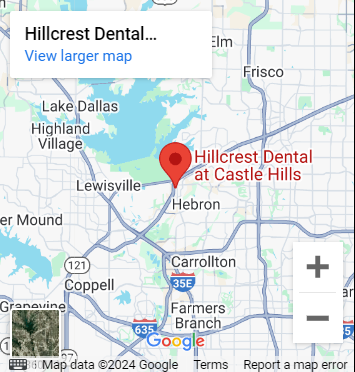
Regular dental check-ups are essential for maintaining a healthy smile, but scheduling an appointment can feel overwhelming if you’re unsure where to start. At Hillcrest Dentist, the process is designed to be simple, efficient, and patient-friendly. Whether you’re a new patient or a returning one, here’s your step-by-step guide to booking your next visit. 1. Visit Hillcrest Dentist’s Website Start by exploring Hillcrest Dentist’s official website. Their user-friendly platform provides details about services, from routine cleanings to advanced treatments like cosmetic dentistry or dental implants. Check the “Services” tab to confirm they offer what you need, and review the “About Us” section to learn about their experienced team. Most importantly, their website includes a “Contact” page with phone numbers, office hours, and an online booking option for added convenience. 2. Call Their Office Directly Prefer a personal touch? Call Hillcrest Dentist’s office. Their friendly staff will guide you through available time slots, answer questions about insurance acceptance, and help you choose the right service. Whether you need an emergency appointment or a routine check-up, their team prioritizes flexibility to accommodate your schedule. 3. Use Their Online Booking System For tech-savvy patients, Hillcrest Dentist offers a seamless online scheduling portal. Click the “Book an Appointment” button on their website, select your preferred date and time, and fill in your details. The system even sends automated reminders via email or SMS, so you never miss your visit. 4. Confirm Your Appointment After booking, double-check your appointment details. Hillcrest Dentist typically sends a confirmation message 24–48 hours in advance. Use this opportunity to ask about pre-visit requirements, such as filling out new patient forms digitally or bringing insurance documents. 5. Prepare for Your Visit Gather your insurance card, ID, and a list of medications or allergies. Arrive 10–15 minutes early to complete any remaining paperwork. Hillcrest Dentist’s office is known for its calming atmosphere, complete with complimentary beverages and a welcoming staff to ease any anxiety. Why Choose Hillcrest Dentist? Final Thoughts Scheduling a dental appointment shouldn’t be a hassle—and with Hillcrest Dentist, it isn’t. Their blend of modern convenience and compassionate care ensures your dental health is in trusted hands. Don’t wait until a toothache strikes; book your appointment today and take the first step toward a healthier, brighter smile! Call Hillcrest Dentist or visit their website to schedule your visit now!

Read More »
How to Reverse Gum Disease Naturally

How to Reverse Gum Disease Naturally: 7 At-Home Remedies to Try

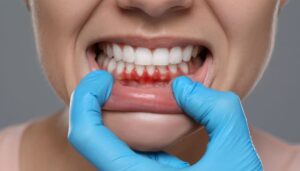
​Gum disease (gingivitis or periodontitis) is a common oral health issue marked by inflammation, bleeding gums, and, if untreated, tooth loss. While professional care from a trusted dentist in Lewisville is irreplaceable for severe cases, early-stage gum disease can often be managed with natural remedies. In this guide, we’ll explore seven at-home strategies to help reverse gum disease—and when it’s time to visit a Lewisville dentist TX for expert intervention. 1. Saltwater Rinses A warm saltwater rinse is one of the simplest ways to reduce gum inflammation and fight bacteria. Salt acts as a natural antiseptic, helping to draw out infection and soothe irritated tissue.How to use: While effective, saltwater rinses are a temporary fix. For persistent symptoms, schedule a checkup with The Lewisville Dentist to prevent progression. 2. Oil Pulling with Coconut Oil Oil pulling, an ancient Ayurvedic practice, involves swishing oil in your mouth to remove toxins and bacteria. Coconut oil is a popular choice due to its antimicrobial properties.How to use: Pair this with regular cleanings at a cosmetic dentist Lewisville to maintain both gum health and a bright smile. 3. Aloe Vera Gel Aloe vera’s anti-inflammatory and antibacterial properties make it ideal for calming swollen gums. Use pure, food-grade aloe vera gel directly on affected areas.How to use: 4. Baking Soda Paste Baking soda neutralizes acids in the mouth and disrupts plaque buildup, a key contributor to gum disease.How to use: For stubborn plaque, a dentist Lewisville TX can perform a professional cleaning to restore gum health. 5. Turmeric Paste Turmeric contains curcumin, a compound known for its anti-inflammatory and antimicrobial effects. Studies suggest it can reduce gum disease symptoms as effectively as prescription mouthwash.How to use: 6. Green Tea Rich in antioxidants called catechins, green tea fights gum inflammation and inhibits bacterial growth. Drinking 1–2 cups daily can support oral health. 7. Improve Oral Hygiene Habits Consistent care is critical to reversing early gum disease: When to Visit a Dentist in Lewisville While these remedies can alleviate mild symptoms, they’re not substitutes for professional care. Schedule an appointment with a Lewisville dentist if you notice: Advanced gum disease may require scaling and root planing, antibiotics, or laser therapy—services offered by The Lewisville Dentist and other local practices. For those seeking aesthetic improvements alongside gum health, a cosmetic dentist Lewisville can address issues like gum contouring or dental implants. Why Choose a Local Lewisville Dentist? Residents of Lewisville, TX, have access to skilled dental professionals who combine cutting-edge technology with personalized care. Whether you need preventive cleanings, periodontal therapy, or cosmetic enhancements, a dentist in Lewisville can tailor treatments to your needs. Final Thoughts Natural remedies can play a supportive role in reversing early gum disease, but they work best alongside professional dental care. If your symptoms persist, don’t hesitate to contact a dentist Lewisville TX for a comprehensive evaluation. Protect your smile—start with at-home care and partner with a trusted local expert to ensure long-term oral health. Looking for personalized advice? Schedule a consultation with The Lewisville Dentist today to keep your gums and teeth in top shape!

Read More »

Recent Posts

Root Canal Treatment Lewisville Tx

Lorem ipsumLorem ipsumLorem ipsumLorem ipsum

Root Canal Treatment Lewisville Tx

Lorem ipsumLorem ipsumLorem ipsumLorem ipsum

Book An Appointment

Are you a patient of our practice without dental insurance? Then join our wellness club, taking care of your preventive care with a monthly subscription, and save money today! Click below to get your monthly preventive care for a low monthly fee!monthly subscription, and save money today! Click below to get your monthly preventive care for a low monthly fee!

(972) 833-4700

Book An Appointment

Are you a patient of our practice without dental insurance? Then join our wellness club, taking care of your preventive care with a monthly subscription, and save money today! Click below to get your monthly preventive care for a low monthly fee!monthly subscription, and save money today! Click below to get your monthly preventive care for a low monthly fee!

(972) 833-4700

Scroll to Top
Skip to content